
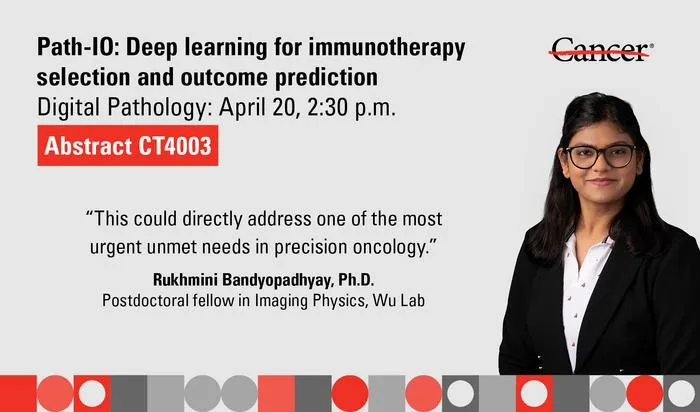
MD Anderson's Path-IO machine learning platform accurately predicts immunotherapy responses in metastatic non-small cell lung cancer, surpassing current biomarker standards.
Key Details
- 1Path-IO uses routine pathological slides to identify features predicting immunotherapy response in NSCLC patients.
- 2In validation on over 1,000 patients across multiple institutions and countries, Path-IO significantly outperformed PD-L1 testing, the current standard biomarker.
- 3The AI model stratified patients into high- and low-risk groups, with high-risk patients experiencing double the probability of death or progression.
- 4Unlike 'black box' models, Path-IO leverages established tissue features for explainable, clinically translatable decision-making.
- 5Researchers are integrating radiomics and clinical data to further improve Path-IO's prediction accuracy and plan to include CT, genomics, and other multimodal data in the future.
- 6Prospective clinical validation is the next planned step, and the model may evolve into a digital twin framework for comprehensive clinical decision support.
Why It Matters
Path-IO's superior accuracy and explainability provide a pathway for more personalized and effective treatment decisions in oncology. The integration with radiomics and clinical imaging data signals a promising future for multimodal AI in precision medicine, especially for radiology and pathology collaborations.

Source
EurekAlert
Related News
•EurekAlert
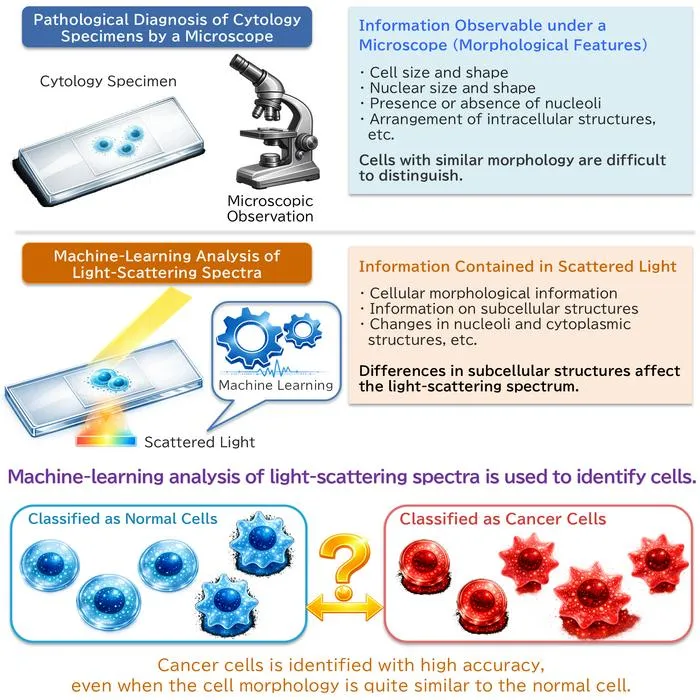
AI System Enhances Cancer Cell Detection via Light Scattering Spectra
Japanese researchers developed an AI system using light scattering spectra to improve cancer cell identification in cytology.
•EurekAlert
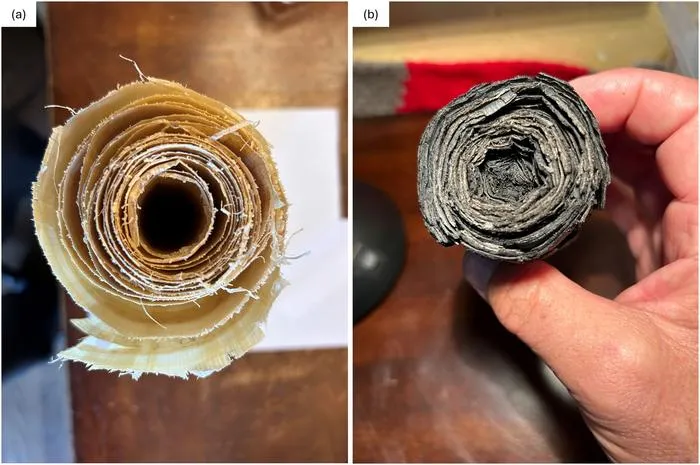
AI and X-ray Imaging Reveal Lost Texts in Ancient Roman Scrolls
AI and x-ray technology enable scientists to virtually read previously unreadable, carbonized Roman scrolls from Herculaneum.

•EurekAlert
AI’s Potential to Expand, Not Shrink, the Clinical Workforce
AI advancements may lead to more, not fewer, healthcare jobs, challenging common fears about workforce reductions in specialties like radiology.