

AI-based analysis of tumor pathology slides can predict immunotherapy outcomes in rare cancers, according to a recent MD Anderson study.
Key Details
- 1MD Anderson researchers applied AI to analyze pathology slides from rare cancer patients undergoing immunotherapy.
- 2The AI tool rapidly quantified immune cell infiltration and tumor content using routine pathology slides.
- 3Combined metrics (immune infiltration increase and tumor content decrease) strongly predicted positive immunotherapy response.
- 4Patients with favorable markers had a 64% lower risk of progression or death and nearly quadrupled median survival (42 vs. 10 months).
- 5Study funded by Merck, with AI analysis support from Lunit.
- 6Further validation in larger cohorts is necessary before clinical adoption.
Why It Matters
This study demonstrates AI's potential to extract actionable insights from standard pathology, enabling tailored immunotherapy decisions for rare cancer patients. If validated, such approaches could significantly improve outcomes using data already collected in clinical workflows.

Source
EurekAlert
Related News
•EurekAlert
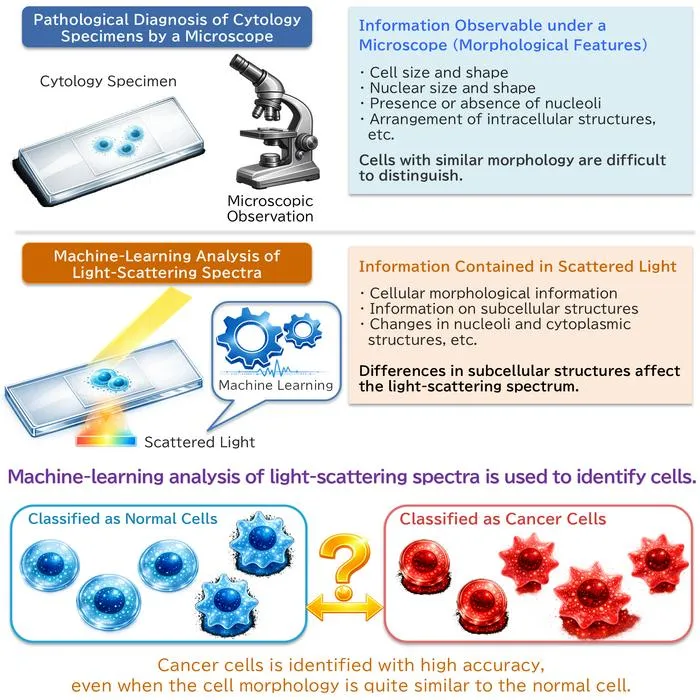
AI System Enhances Cancer Cell Detection via Light Scattering Spectra
Japanese researchers developed an AI system using light scattering spectra to improve cancer cell identification in cytology.
•EurekAlert
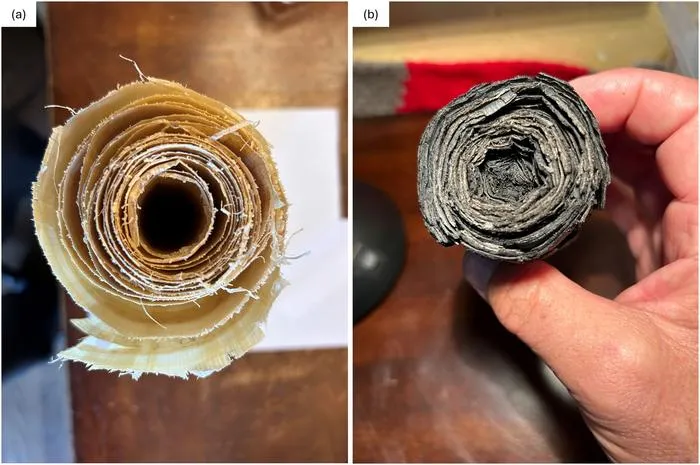
AI and X-ray Imaging Reveal Lost Texts in Ancient Roman Scrolls
AI and x-ray technology enable scientists to virtually read previously unreadable, carbonized Roman scrolls from Herculaneum.

•EurekAlert
AI’s Potential to Expand, Not Shrink, the Clinical Workforce
AI advancements may lead to more, not fewer, healthcare jobs, challenging common fears about workforce reductions in specialties like radiology.