
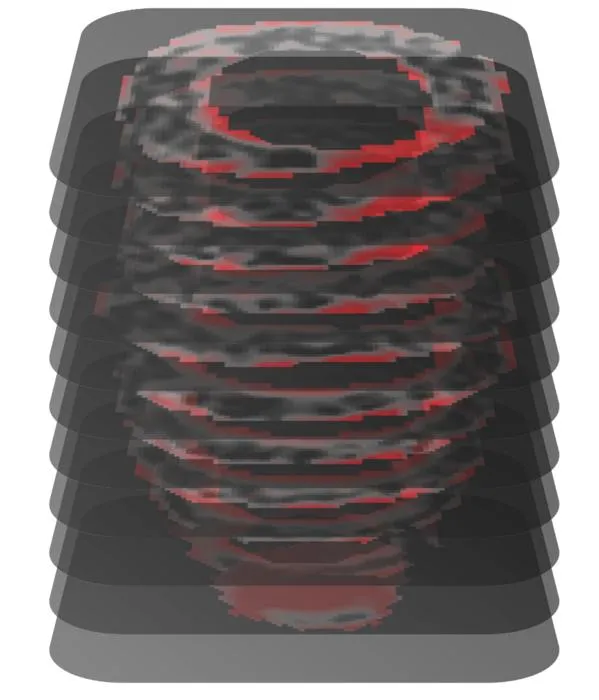
A Johns Hopkins-led AI model outperforms current clinical guidelines in predicting risk of sudden cardiac death using cardiac MRI and patient records.
Key Details
- 1MAARS AI model analyzes contrast-enhanced cardiac MRI and medical records.
- 2Hypertrophic cardiomyopathy, a leading cause of sudden cardiac death, was the focus.
- 3Current guidelines identify high-risk patients with only ~50% accuracy; the AI reached 89% accuracy overall and 93% in ages 40-60.
- 4AI identifies critical heart scarring patterns (fibrosis) missed by doctors.
- 5Study published in Nature Cardiovascular Research; multi-institutional collaboration.
- 6Potential to both save lives and reduce unnecessary interventions like defibrillators.
Why It Matters
This work demonstrates substantial value in integrating imaging AI with clinical data for cardiac risk stratification, both improving accuracy and enabling personalized management. Its validation could shift how radiologists and clinicians collaborate for risk prediction and treatment strategy.

Source
EurekAlert
Related News
•EurekAlert
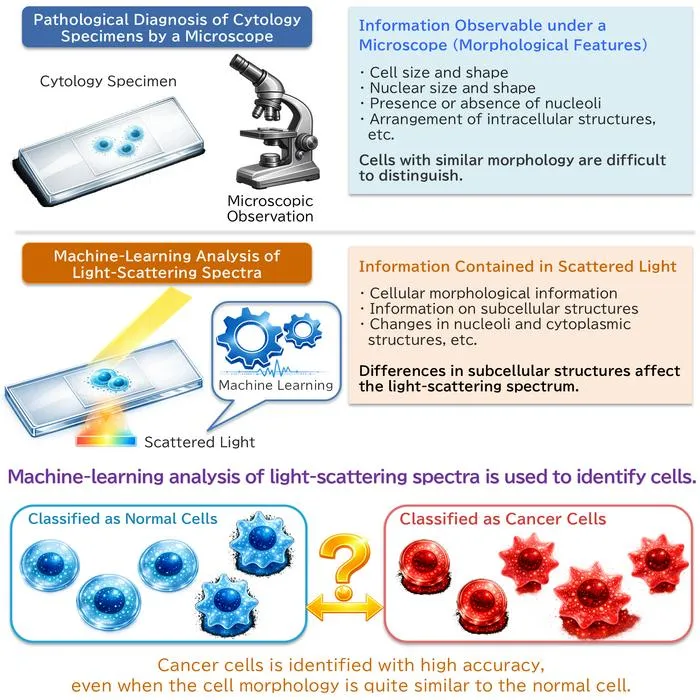
AI System Enhances Cancer Cell Detection via Light Scattering Spectra
Japanese researchers developed an AI system using light scattering spectra to improve cancer cell identification in cytology.
•EurekAlert
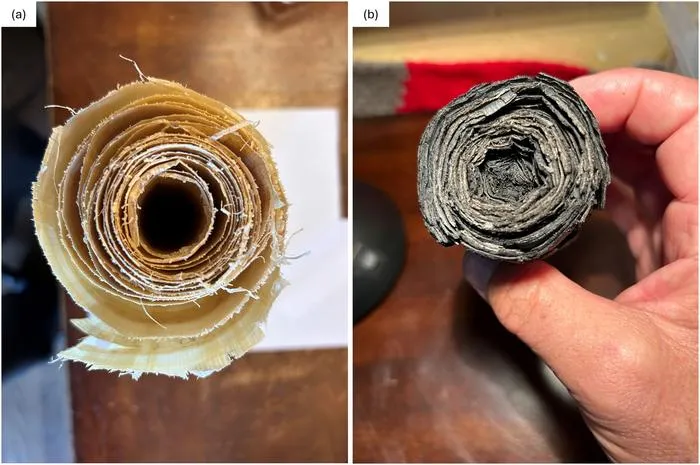
AI and X-ray Imaging Reveal Lost Texts in Ancient Roman Scrolls
AI and x-ray technology enable scientists to virtually read previously unreadable, carbonized Roman scrolls from Herculaneum.
•EurekAlert
AI’s Potential to Expand, Not Shrink, the Clinical Workforce
AI advancements may lead to more, not fewer, healthcare jobs, challenging common fears about workforce reductions in specialties like radiology.