

Initial results from an ECOG-ACRIN and Caris Life Sciences collaboration show AI-driven multimodal models can more accurately predict recurrence risk in early-stage breast cancer.
Key Details
- 1Collaboration leverages ECOG-ACRIN's clinical trial data and Caris' molecular profiling and imaging AI platforms.
- 2Over 4,000 TAILORx trial patient cases used to train and validate new multimodal deep learning models.
- 3Models integrate histopathologic slide imaging, clinical, and expanded gene expression data.
- 4AI models outperformed established recurrence risk assessment methods, especially for late recurrence (after 5 years).
- 5Potential shown for a scalable, cost-effective diagnostic test based on routine histology and clinical data rather than solely on genomic assays.
- 6Results presented at the 2023 San Antonio Breast Cancer Symposium.
Why It Matters
The study demonstrates unprecedented large-scale integration of imaging, molecular, and clinical data for recurrence prognostication, charting a path toward more personalized and precise breast cancer management. Imaging AI's role in such multimodal frameworks signifies a promising advance for the development of new diagnostic tools in oncologic pathology.

Source
EurekAlert
Related News
•EurekAlert
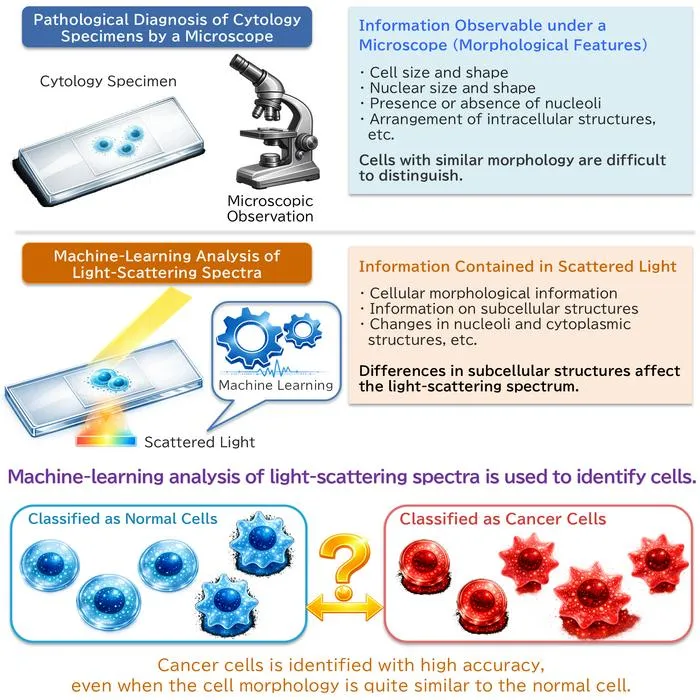
AI System Enhances Cancer Cell Detection via Light Scattering Spectra
Japanese researchers developed an AI system using light scattering spectra to improve cancer cell identification in cytology.
•EurekAlert
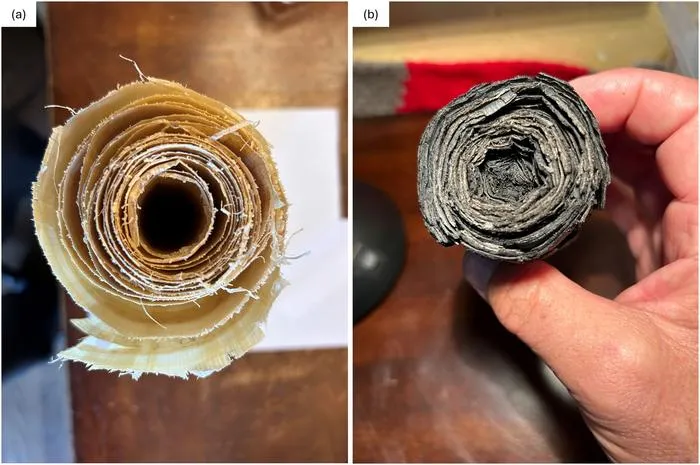
AI and X-ray Imaging Reveal Lost Texts in Ancient Roman Scrolls
AI and x-ray technology enable scientists to virtually read previously unreadable, carbonized Roman scrolls from Herculaneum.

•EurekAlert
AI’s Potential to Expand, Not Shrink, the Clinical Workforce
AI advancements may lead to more, not fewer, healthcare jobs, challenging common fears about workforce reductions in specialties like radiology.