
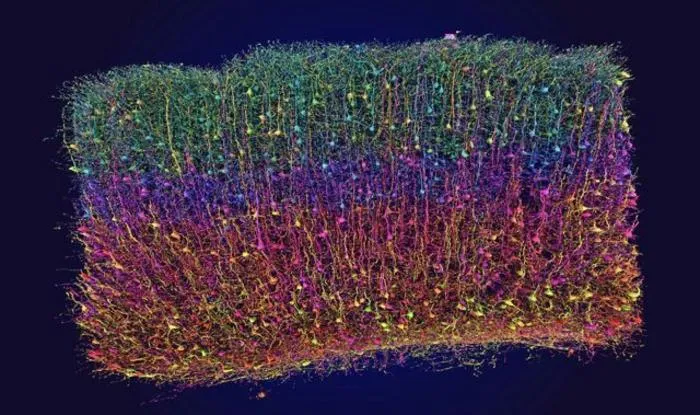
Researchers used AI to discover novel neuron types in mouse visual cortex sensitive to complex spatial patterns.
Key Details
- 1International collaboration between Stanford University and University of Göttingen.
- 2Deep neural networks created digital twins of mouse neurons for predicting activity.
- 3These models revealed neurons with bipartite receptive fields sensitive to different spatial frequencies.
- 4Predictions by AI were experimentally confirmed in live mice.
- 5Study published in Nature Neuroscience, detailing new understanding of visual processing.
Why It Matters
This work demonstrates how AI can unveil previously unknown biological processes in the brain, furthering both neuroscience and AI-driven imaging research. Such discoveries may ultimately inform the development of more advanced AI models for medical image analysis, pattern recognition, and diagnostics.

Source
EurekAlert
Related News
•EurekAlert
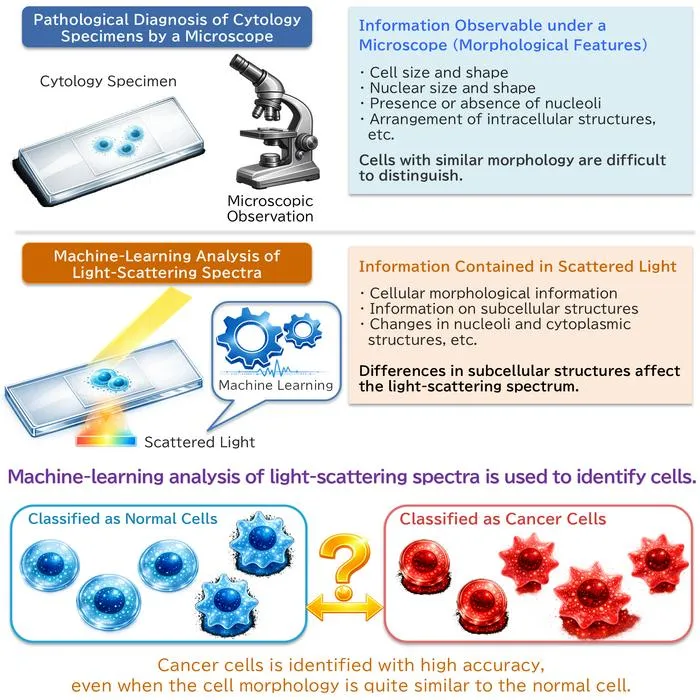
AI System Enhances Cancer Cell Detection via Light Scattering Spectra
Japanese researchers developed an AI system using light scattering spectra to improve cancer cell identification in cytology.
•EurekAlert
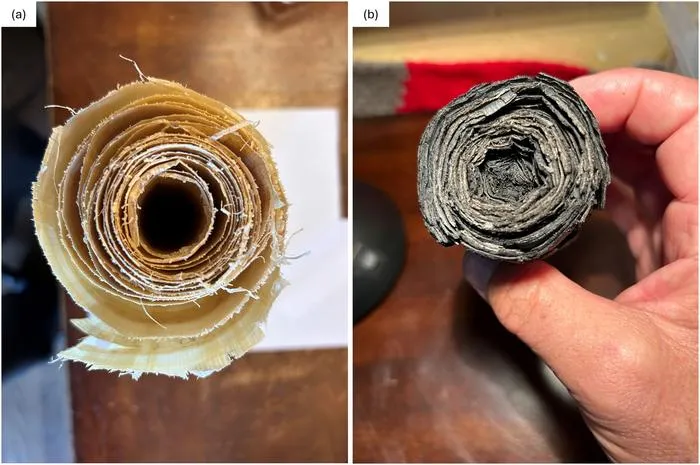
AI and X-ray Imaging Reveal Lost Texts in Ancient Roman Scrolls
AI and x-ray technology enable scientists to virtually read previously unreadable, carbonized Roman scrolls from Herculaneum.

•EurekAlert
AI’s Potential to Expand, Not Shrink, the Clinical Workforce
AI advancements may lead to more, not fewer, healthcare jobs, challenging common fears about workforce reductions in specialties like radiology.