
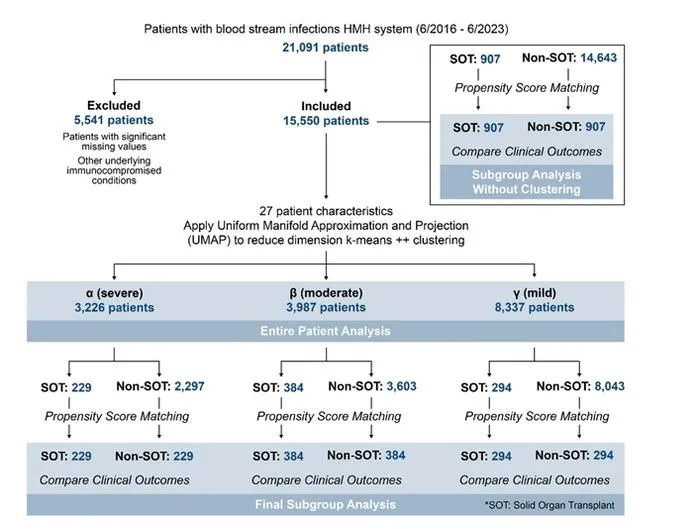
Houston Methodist researchers used unsupervised machine learning to identify distinct risk clusters in patients with bloodstream infections, aiding early intervention.
Key Details
- 1Study analyzed data from over 15,000 patients with bloodstream infection (BSI) using EHR-derived clinical variables.
- 2Unsupervised machine learning clustered patients into three clinically distinct groups based on data from the first 48 hours of BSI diagnosis.
- 3High-risk cluster included older, predominantly male, and transplant patients, with mortality rates up to 60%.
- 4Model converts early clinical data into a risk map for immediate clinical use, potentially accelerating intervention.
- 5Findings to be validated further across external healthcare systems; published in the American Journal of Transplantation.
Why It Matters
Early risk stratification of BSI patients, especially transplant recipients, can prompt timely intervention and improve survival rates. This demonstrates the expanding role of AI and machine learning in data-driven clinical support for high-acuity populations.

Source
EurekAlert
Related News
•EurekAlert
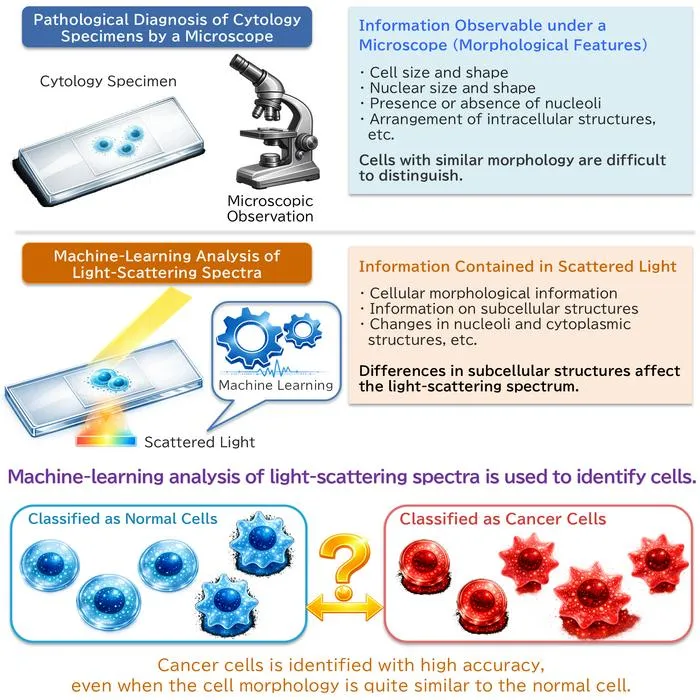
AI System Enhances Cancer Cell Detection via Light Scattering Spectra
Japanese researchers developed an AI system using light scattering spectra to improve cancer cell identification in cytology.
•EurekAlert
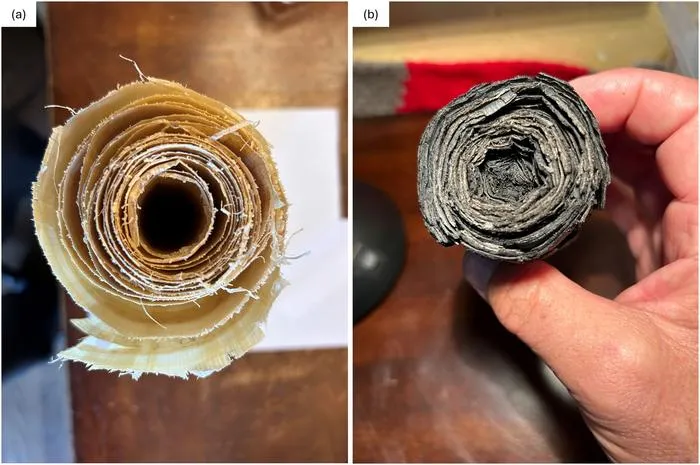
AI and X-ray Imaging Reveal Lost Texts in Ancient Roman Scrolls
AI and x-ray technology enable scientists to virtually read previously unreadable, carbonized Roman scrolls from Herculaneum.

•EurekAlert
AI’s Potential to Expand, Not Shrink, the Clinical Workforce
AI advancements may lead to more, not fewer, healthcare jobs, challenging common fears about workforce reductions in specialties like radiology.