
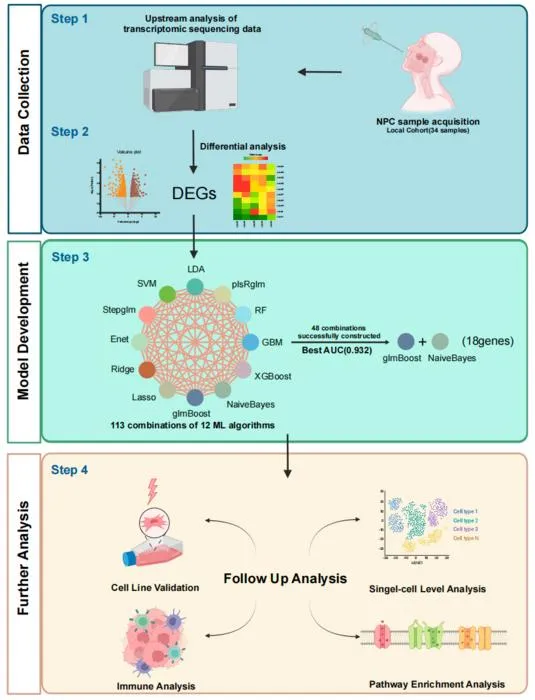
Researchers have developed a machine learning-based gene signature, NPC-RSS, to predict which nasopharyngeal cancer patients will benefit from radiotherapy.
Key Details
- 1A team at Southern Medical University created the NPC-RSS model using transcriptomic data from NPC patients.
- 2The model uses an 18-gene signature and was refined using 113 machine learning algorithm combinations.
- 3NPC-RSS demonstrated strong predictive accuracy in both internal and external validation datasets.
- 4Radiosensitive tumors showed richer immune cell activity, suggesting immune dynamics play a role in radiotherapy response.
- 5The tool aims to guide personalized radiotherapy decisions and reduce unnecessary treatment exposure.
- 6Further sample collection and international validation are ongoing to refine the model.
Why It Matters
Personalized radiotherapy guided by AI can improve outcomes in nasopharyngeal cancer by identifying patients most likely to benefit, addressing the challenge of radiation resistance. This tool could help clinicians tailor therapies, limit overtreatment, and improve patient survival.

Source
EurekAlert
Related News
•EurekAlert
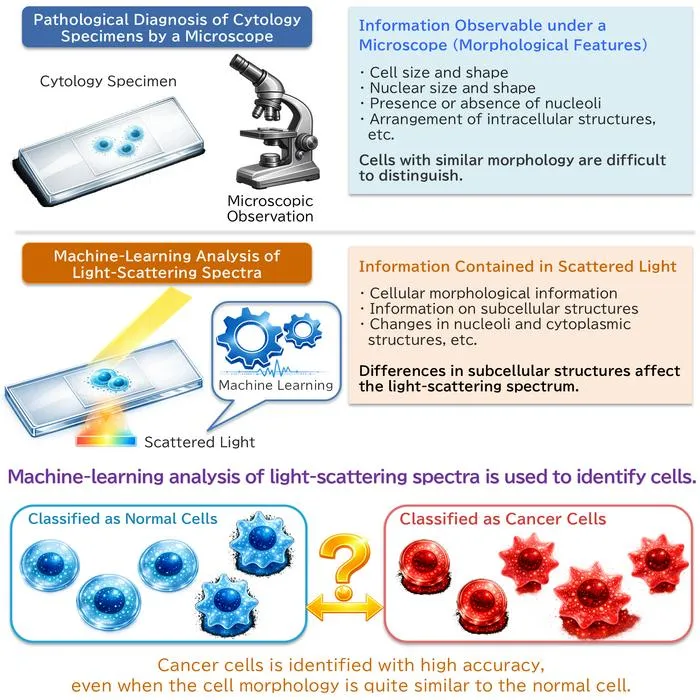
AI System Enhances Cancer Cell Detection via Light Scattering Spectra
Japanese researchers developed an AI system using light scattering spectra to improve cancer cell identification in cytology.
•EurekAlert
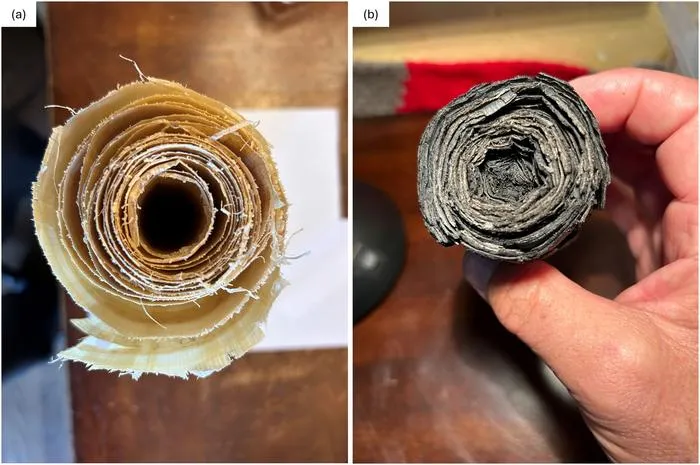
AI and X-ray Imaging Reveal Lost Texts in Ancient Roman Scrolls
AI and x-ray technology enable scientists to virtually read previously unreadable, carbonized Roman scrolls from Herculaneum.

•EurekAlert
AI’s Potential to Expand, Not Shrink, the Clinical Workforce
AI advancements may lead to more, not fewer, healthcare jobs, challenging common fears about workforce reductions in specialties like radiology.