
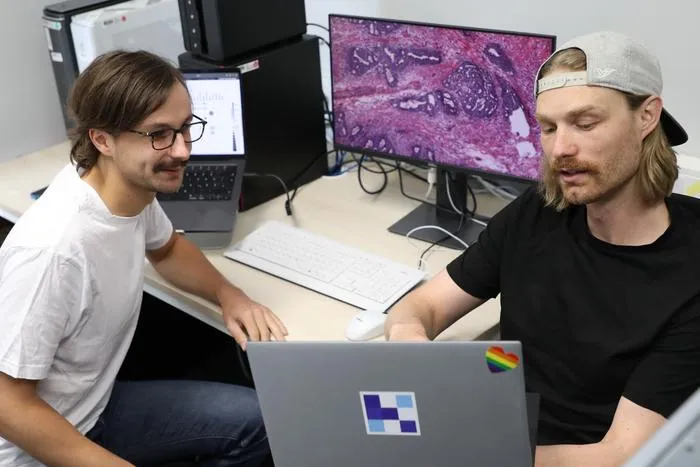
Researchers developed and validated an AI model that simultaneously detects multiple genetic markers in colorectal cancer tissue slides.
Key Details
- 1Study led by EKFZ for Digital Health at TU Dresden analyzed nearly 2,000 digitized pathology slides across seven independent cohorts in Europe and the US.
- 2The AI 'multi-target transformer' model predicts a wide range of genetic alterations, including microsatellite instability and BRAF/RNF43 mutations, from routine histological sections.
- 3Model performance matched or exceeded single-target models for key biomarkers and revealed the ability to identify shared morphological patterns tied to multiple mutations.
- 4Findings published in The Lancet Digital Health, with plans to extend methods to other cancers.
- 5Collaboration involved multiple academic centers, highlighting interdisciplinary and international partnership.
Why It Matters
This work represents a substantial advance for digital pathology and AI-driven precision diagnostics, potentially enabling faster, more comprehensive, and scalable assessment of genetic biomarkers directly from standard tissue images. Faster and lower-cost pre-screening for key mutations could streamline patient selection for molecular testing and personalize colorectal cancer care.

Source
EurekAlert
Related News
•EurekAlert
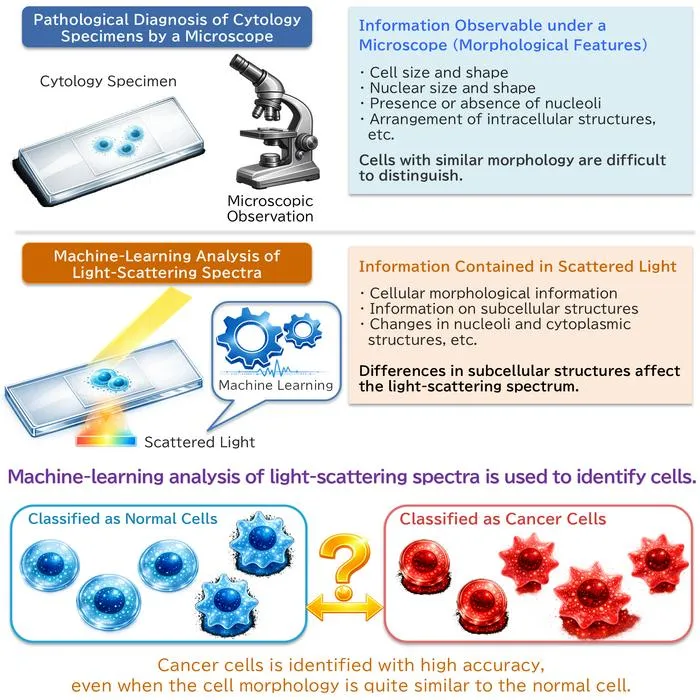
AI System Enhances Cancer Cell Detection via Light Scattering Spectra
Japanese researchers developed an AI system using light scattering spectra to improve cancer cell identification in cytology.
•EurekAlert
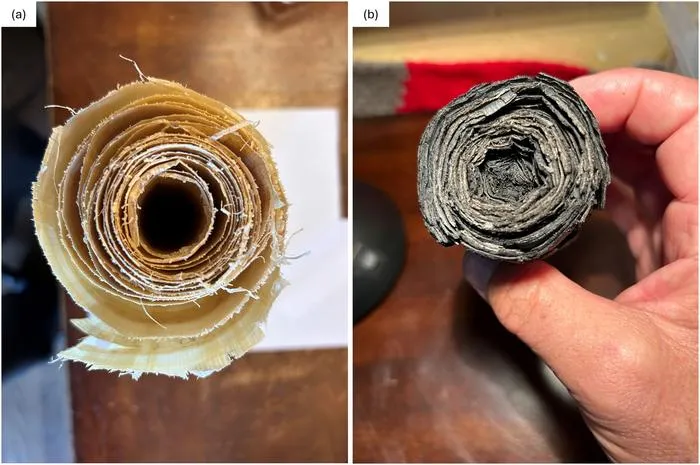
AI and X-ray Imaging Reveal Lost Texts in Ancient Roman Scrolls
AI and x-ray technology enable scientists to virtually read previously unreadable, carbonized Roman scrolls from Herculaneum.

•EurekAlert
AI’s Potential to Expand, Not Shrink, the Clinical Workforce
AI advancements may lead to more, not fewer, healthcare jobs, challenging common fears about workforce reductions in specialties like radiology.