
An AI algorithm uses ECG data to accurately predict risk of future regurgitant heart valve diseases before symptoms or ultrasound changes appear.
Key Details
- 1International team trained AI on nearly 1 million ECG and echocardiogram records from 400,000+ patients in China.
- 2The model predicted risk of mitral, tricuspid, or aortic valvular regurgitation within years, with 69-79% accuracy.
- 3High-risk patients identified by AI were up to 10 times more likely to develop valve disease.
- 4Validation was conducted on 34,000+ US patients, supporting generalizability across populations.
- 5Trials with the NHS are scheduled for late 2025 to evaluate real-world performance.
- 6Research funded by British Heart Foundation, published in European Heart Journal.
Why It Matters
This research demonstrates how AI can leverage routinely acquired ECGs to flag patients at high risk for heart valve disease before traditional imaging reveals abnormalities, potentially transforming screening and management. It highlights the potential of integrating imaging and non-imaging clinical data in AI models to enable earlier and more proactive cardiac care.

Source
EurekAlert
Related News
•EurekAlert
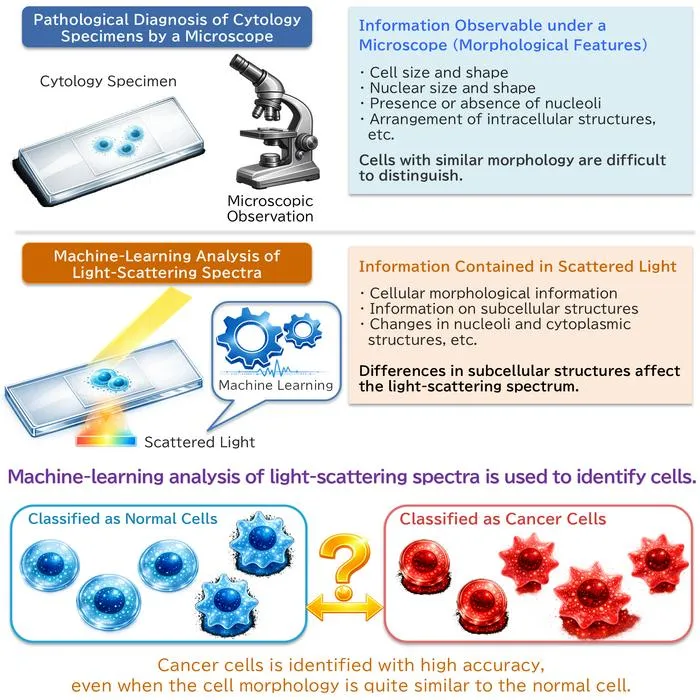
AI System Enhances Cancer Cell Detection via Light Scattering Spectra
Japanese researchers developed an AI system using light scattering spectra to improve cancer cell identification in cytology.
•EurekAlert
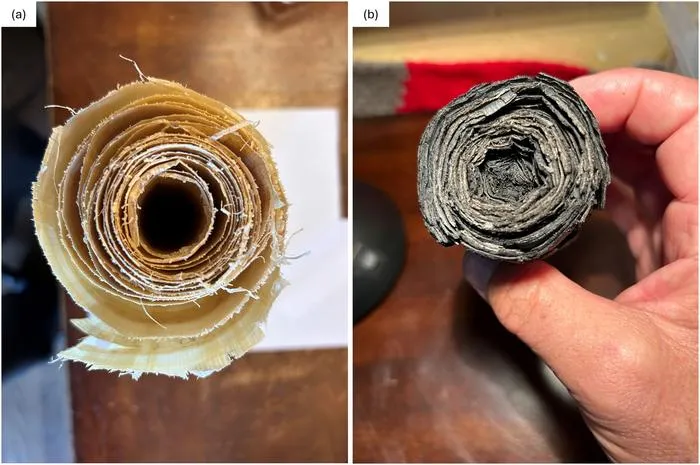
AI and X-ray Imaging Reveal Lost Texts in Ancient Roman Scrolls
AI and x-ray technology enable scientists to virtually read previously unreadable, carbonized Roman scrolls from Herculaneum.

•EurekAlert
AI’s Potential to Expand, Not Shrink, the Clinical Workforce
AI advancements may lead to more, not fewer, healthcare jobs, challenging common fears about workforce reductions in specialties like radiology.