
UC San Diego researchers developed an AI tool that accurately predicts colorectal cancer risk in ulcerative colitis patients using clinical and imaging data.
Key Details
- 1AI workflow reviewed records of 55,000 patients in the VA health care system, the largest US dataset of its kind.
- 2Combined large language models and statistical risk models to predict progression from low-grade dysplasia to cancer.
- 3Classified patients into five risk groups based on lesion size, number, visibility, resection completeness, and inflammation severity.
- 4Nearly half of patients were categorized as lowest risk, with the model correctly predicting 99% would not develop cancer within two years.
- 5The tool matched real-world outcomes for over ten years of follow-up data.
- 6The model may allow some low-risk patients to have less frequent surveillance colonoscopies.
Why It Matters
This AI system offers more precise, data-driven cancer risk assessments for clinicians, potentially reducing unnecessary procedures and focusing attention on high-risk patients, improving both care quality and resource allocation in gastrointestinal oncology.

Source
EurekAlert
Related News
•EurekAlert
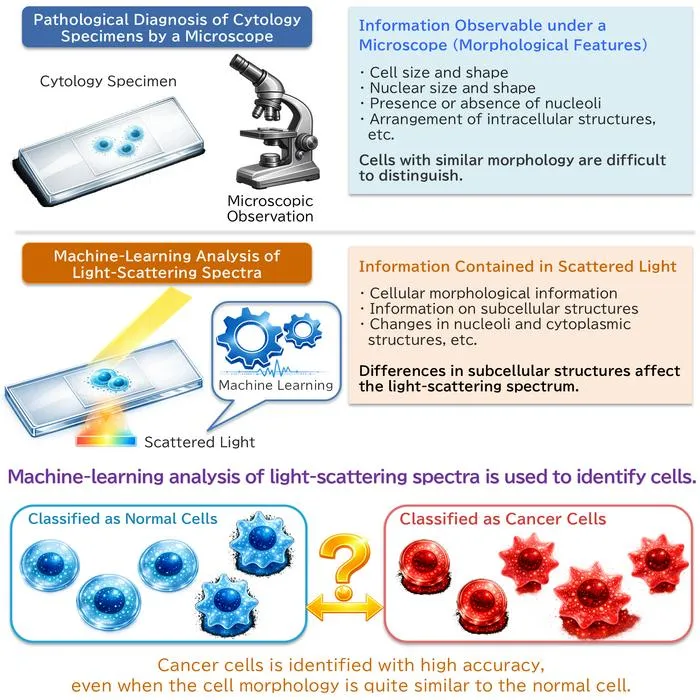
AI System Enhances Cancer Cell Detection via Light Scattering Spectra
Japanese researchers developed an AI system using light scattering spectra to improve cancer cell identification in cytology.
•EurekAlert
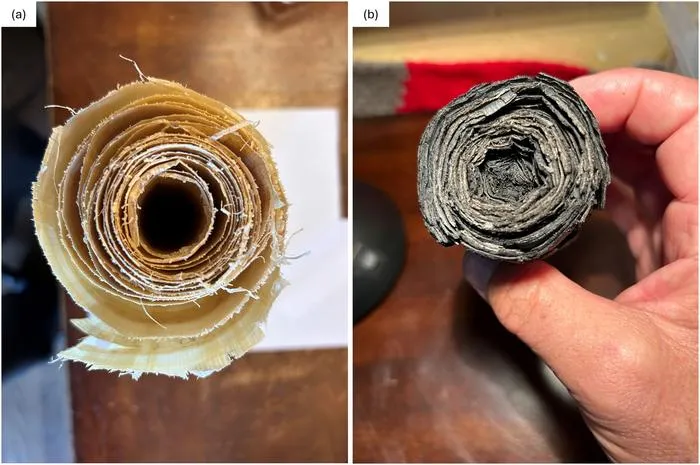
AI and X-ray Imaging Reveal Lost Texts in Ancient Roman Scrolls
AI and x-ray technology enable scientists to virtually read previously unreadable, carbonized Roman scrolls from Herculaneum.

•EurekAlert
AI’s Potential to Expand, Not Shrink, the Clinical Workforce
AI advancements may lead to more, not fewer, healthcare jobs, challenging common fears about workforce reductions in specialties like radiology.