
Back to all news
AI Model Improves Prediction of Knee Osteoarthritis Progression Using MRI and Biomarkers
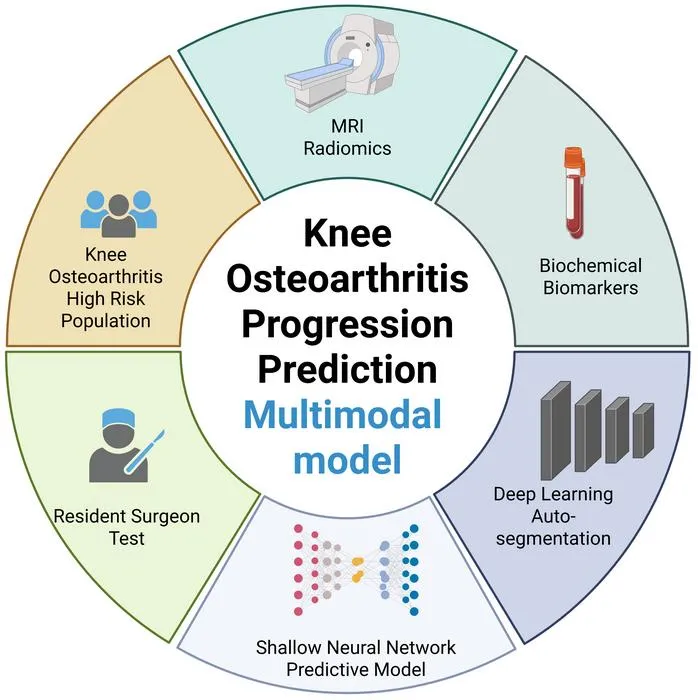
A new AI-assisted model that combines MRI, biochemical, and clinical data improves predictions of worsening knee osteoarthritis.
Key Details
- 1The AI model, LBTRBC-M, integrates MRI radiomics, biochemical, and clinical information.
- 2Study used data from 594 people with 1,753 knee MRIs over two years.
- 3Model accurately predicted pain worsening and joint space narrowing up to two years in advance.
- 4Resident physicians' prediction accuracy improved from 46.9% to 65.4% with model assistance.
- 5Findings published in PLOS Medicine; further validation needed in broader populations.
Why It Matters
This research demonstrates the potential for AI to combine imaging and non-imaging data, improving prognostic accuracy for musculoskeletal conditions. Such models could support earlier and more tailored interventions in knee osteoarthritis, directly enhancing radiological and clinical workflows.

Source
EurekAlert
Related News
•EurekAlert
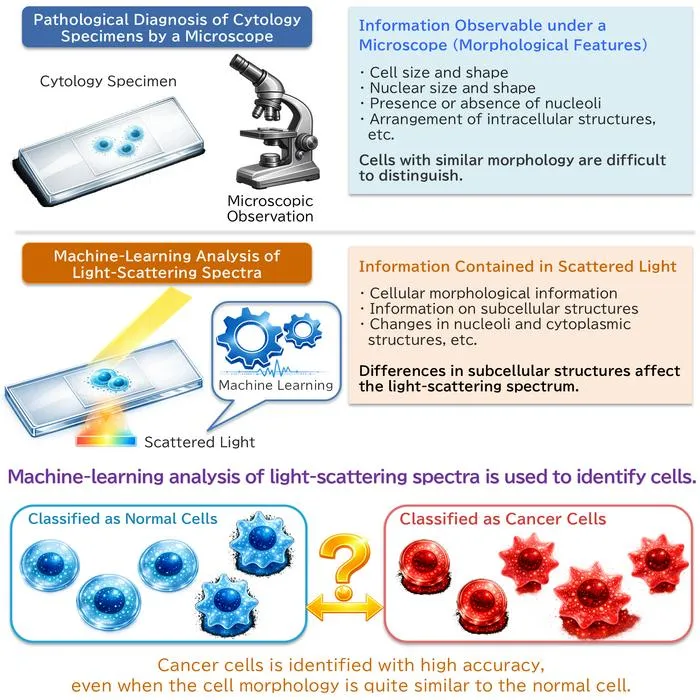
AI System Enhances Cancer Cell Detection via Light Scattering Spectra
Japanese researchers developed an AI system using light scattering spectra to improve cancer cell identification in cytology.
•EurekAlert
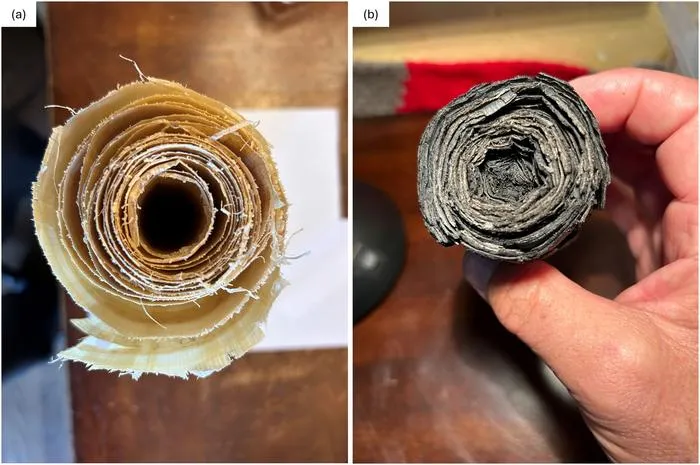
AI and X-ray Imaging Reveal Lost Texts in Ancient Roman Scrolls
AI and x-ray technology enable scientists to virtually read previously unreadable, carbonized Roman scrolls from Herculaneum.

•EurekAlert
AI’s Potential to Expand, Not Shrink, the Clinical Workforce
AI advancements may lead to more, not fewer, healthcare jobs, challenging common fears about workforce reductions in specialties like radiology.