
An AI-driven model using 30 years of EHR data enhances screening for primary aldosteronism, a frequently underdiagnosed hypertension cause.
Key Details
- 1Study presented at ENDO 2026 by Mayo Clinic researchers, using Mayo Clinic Platform data from 1986–2025.
- 2AI model analyzed clinical variables: age, gender, ICD codes for hypertension/hypokalemia, blood pressure, potassium levels, and prescriptions.
- 3Model was developed with over 22,000 patients, tested on 225,887 hypertensive adults.
- 4XGBoost architecture predicted primary aldosteronism risk 12 months before diagnosis.
- 5At low-risk threshold, the model flagged >90% of cases while missing <10%, identifying about two-thirds for further screening.
Why It Matters
This AI tool addresses a major gap in early detection of a serious but often-missed hypertension cause, enabling targeted intervention that can lower cardiovascular morbidity and healthcare costs. The study demonstrates powerful potential for machine-learning models in analyzing routine clinical data to guide large-scale, cost-effective diagnosis in at-risk populations.

Source
EurekAlert
Related News
•EurekAlert
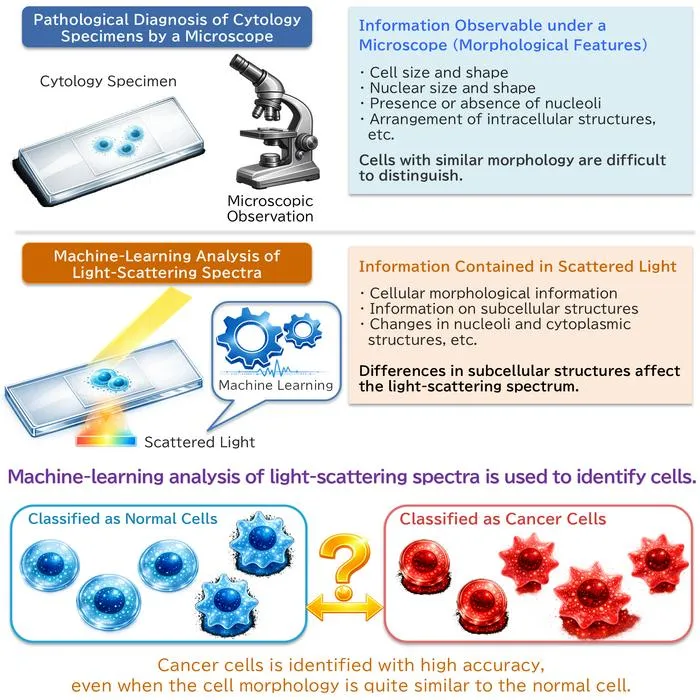
AI System Enhances Cancer Cell Detection via Light Scattering Spectra
Japanese researchers developed an AI system using light scattering spectra to improve cancer cell identification in cytology.
•EurekAlert
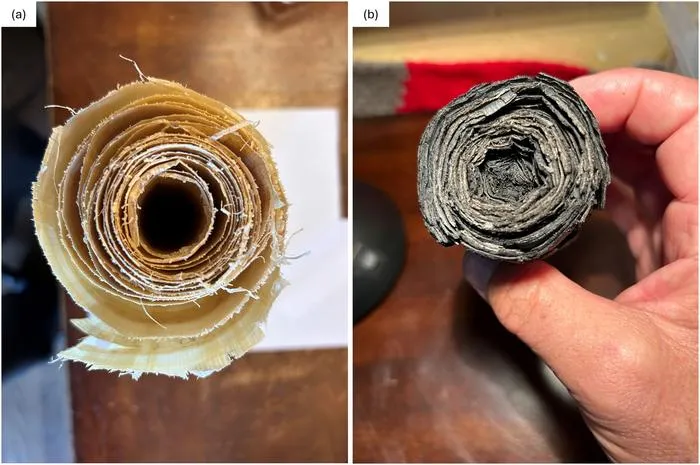
AI and X-ray Imaging Reveal Lost Texts in Ancient Roman Scrolls
AI and x-ray technology enable scientists to virtually read previously unreadable, carbonized Roman scrolls from Herculaneum.

•EurekAlert
AI’s Potential to Expand, Not Shrink, the Clinical Workforce
AI advancements may lead to more, not fewer, healthcare jobs, challenging common fears about workforce reductions in specialties like radiology.