
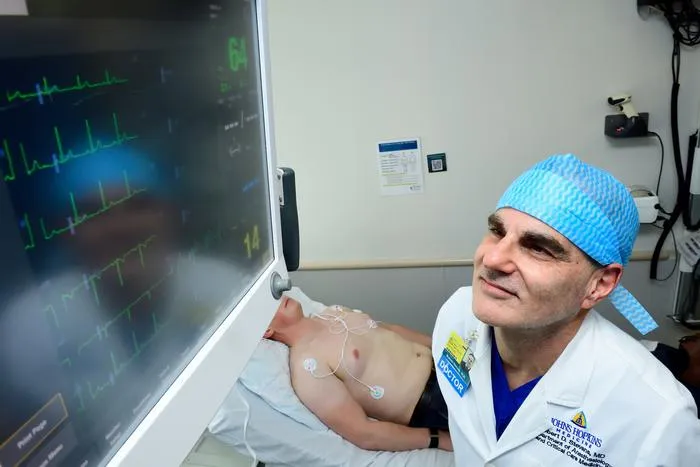
An AI model developed by Johns Hopkins significantly outperforms current risk scores in predicting post-surgical complications using routine ECG data.
Key Details
- 1Johns Hopkins researchers developed AI models to analyze pre-surgical electrocardiograms (ECG).
- 2Models were trained using data from 37,000 surgery patients at Beth Israel Deaconess Medical Center.
- 3The best-performing fusion model predicted serious post-surgical complications with 85% accuracy.
- 4Current clinical risk scoring methods are only about 60% accurate.
- 5The work was federally funded and results were published in the British Journal of Anaesthesia.
- 6The AI can identify previously undetectable signals in ECGs relevant to surgical risk.
Why It Matters
This work offers a major step forward in pre-surgical risk assessment, leveraging an inexpensive, routine test to more accurately identify patients at high risk of serious complications. It could directly impact patient management and surgical planning, highlighting the growing value of AI in medical imaging diagnostics.

Source
EurekAlert
Related News
•EurekAlert
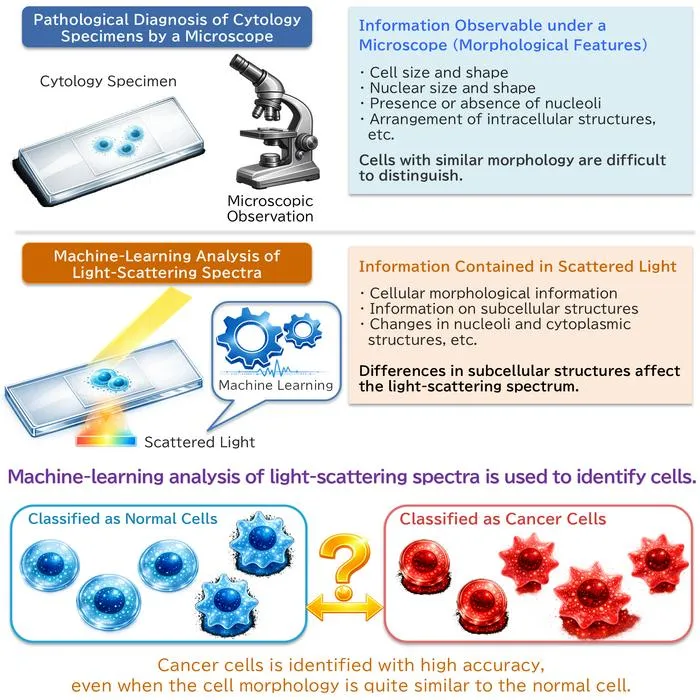
AI System Enhances Cancer Cell Detection via Light Scattering Spectra
Japanese researchers developed an AI system using light scattering spectra to improve cancer cell identification in cytology.

•EurekAlert
AI and X-ray Imaging Reveal Lost Texts in Ancient Roman Scrolls
AI and x-ray technology enable scientists to virtually read previously unreadable, carbonized Roman scrolls from Herculaneum.

•EurekAlert
AI’s Potential to Expand, Not Shrink, the Clinical Workforce
AI advancements may lead to more, not fewer, healthcare jobs, challenging common fears about workforce reductions in specialties like radiology.