
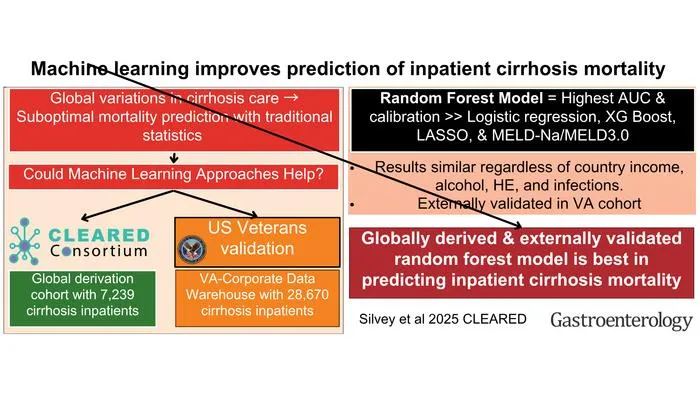
A machine learning model using random forest analysis improves the prediction of mortality risk in hospitalized patients with cirrhosis.
Key Details
- 1Study analyzed data from 121 hospitals worldwide participating in the CLEARED consortium.
- 2Random forest AI model outperformed traditional risk prediction methods for hospitalized cirrhosis patients.
- 3Model maintained accuracy across both high- and low-income countries.
- 4External validation was performed using National U.S. veterans’ data.
- 5Effective risk stratification was possible with just 15 variables.
- 6The tool grouped patients by mortality risk, supporting clinical decision-making.
Why It Matters
This study highlights the growing potential for AI to enhance clinical prognostication, supporting triage and care prioritization. AI models like this can be adapted to radiology and imaging datasets to similarly improve patient management and operational workflows.

Source
EurekAlert
Related News
•EurekAlert
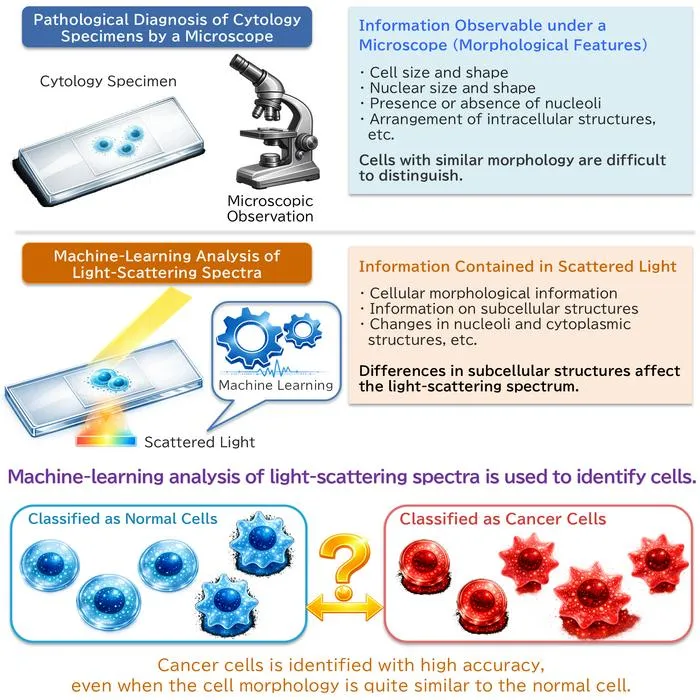
AI System Enhances Cancer Cell Detection via Light Scattering Spectra
Japanese researchers developed an AI system using light scattering spectra to improve cancer cell identification in cytology.
•EurekAlert
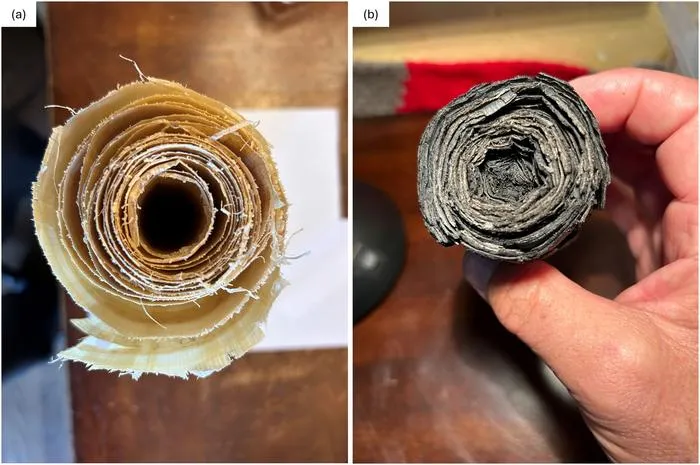
AI and X-ray Imaging Reveal Lost Texts in Ancient Roman Scrolls
AI and x-ray technology enable scientists to virtually read previously unreadable, carbonized Roman scrolls from Herculaneum.

•EurekAlert
AI’s Potential to Expand, Not Shrink, the Clinical Workforce
AI advancements may lead to more, not fewer, healthcare jobs, challenging common fears about workforce reductions in specialties like radiology.