
Researchers developed an AI model that accurately distinguishes between multiple dementia types using extensive, heterogeneous brain imaging data.
Key Details
- 1The model was trained and tested on 308,000 3D brain images from 17,000 patients collected over two decades.
- 2It detects vascular dementia, Alzheimer's, Lewy body dementia, Parkinson's, and mild cognitive impairment, with AUC >0.84 for these conditions.
- 3The dataset included multiple modalities (T1 MRI, T2 MRI, CT, PET), reflecting real-world clinical complexity and variation.
- 4The neural network is structured to handle varying numbers and types of images per patient (1–14), mitigating confounding variables like scanning site and age.
- 5Testing across multiple hospital sites demonstrated the model’s robustness to real-world heterogeneity.
- 6Future directions include larger datasets and development of explainable AI for neuroimaging disease detection.
Why It Matters
This study addresses a major barrier for clinical translation of imaging AI—performance on real-world, heterogeneous datasets—demonstrating a feasible path for deploying robust differential diagnostic tools across healthcare settings.

Source
EurekAlert
Related News
•EurekAlert
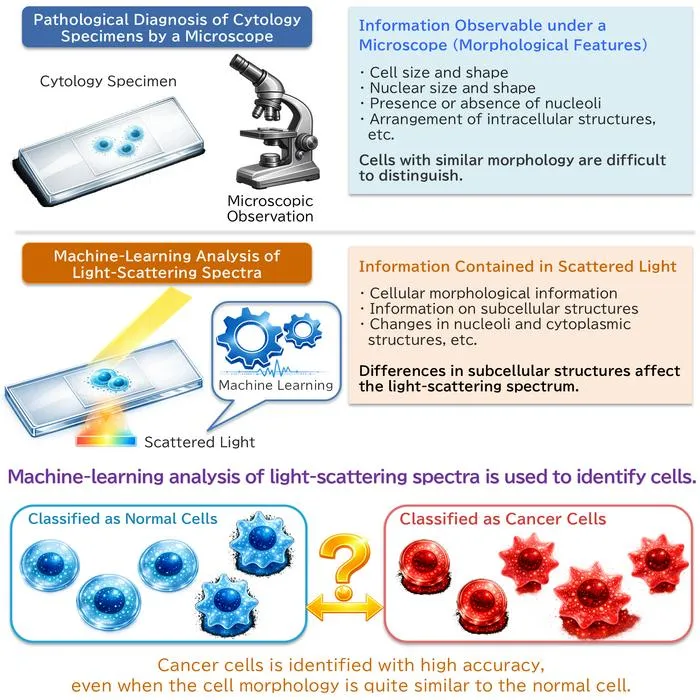
AI System Enhances Cancer Cell Detection via Light Scattering Spectra
Japanese researchers developed an AI system using light scattering spectra to improve cancer cell identification in cytology.
•EurekAlert
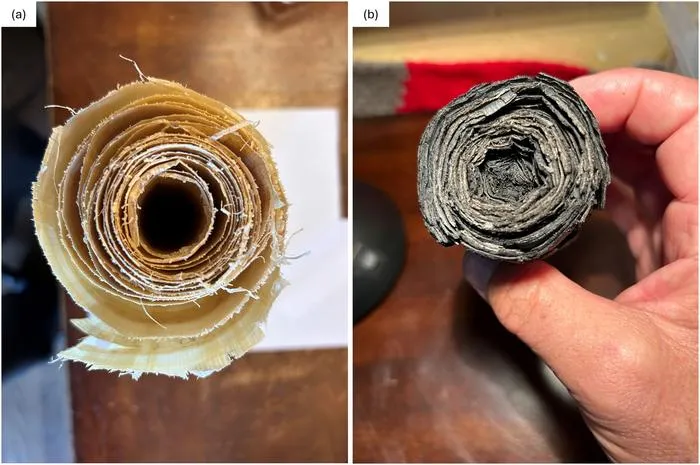
AI and X-ray Imaging Reveal Lost Texts in Ancient Roman Scrolls
AI and x-ray technology enable scientists to virtually read previously unreadable, carbonized Roman scrolls from Herculaneum.

•EurekAlert
AI’s Potential to Expand, Not Shrink, the Clinical Workforce
AI advancements may lead to more, not fewer, healthcare jobs, challenging common fears about workforce reductions in specialties like radiology.