

Researchers developed an AI model (PP-VAE) that safeguards sensitive personal data in electrocardiograms without sacrificing clinical utility.
Key Details
- 1University of Kansas team created the PP-VAE model to prevent leakage of sex, age, race, and identity information from ECGs.
- 2The model retains clinically important predictions (e.g., left ventricular ejection fraction) while reducing personal identifiability.
- 3PP-VAE demonstrated competitive performance against existing machine learning models in predicting heart disease and mortality risk.
- 4Validation was done on publicly available datasets, with plans for wider geographic testing and public release of the model.
- 5Researchers aim for the tool to facilitate secure data sharing between institutions and reduce bias in AI predictions.
Why It Matters
Ensuring privacy in shared medical imaging data is critical for regulatory and ethical reasons while advancing AI research. This method supports secure collaboration and could help mitigate demographic biases in healthcare AI models.

Source
EurekAlert
Related News
•EurekAlert
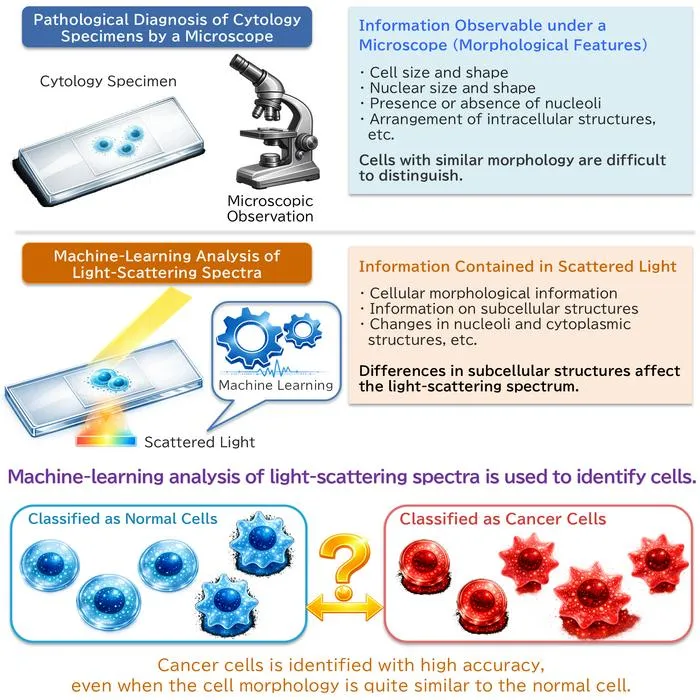
AI System Enhances Cancer Cell Detection via Light Scattering Spectra
Japanese researchers developed an AI system using light scattering spectra to improve cancer cell identification in cytology.
•EurekAlert
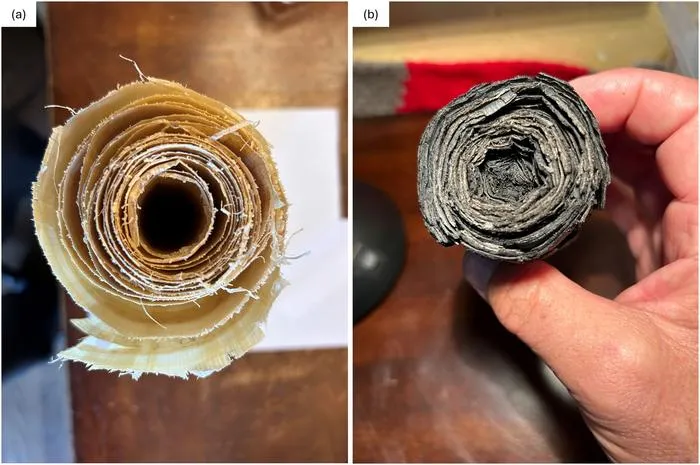
AI and X-ray Imaging Reveal Lost Texts in Ancient Roman Scrolls
AI and x-ray technology enable scientists to virtually read previously unreadable, carbonized Roman scrolls from Herculaneum.

•EurekAlert
AI’s Potential to Expand, Not Shrink, the Clinical Workforce
AI advancements may lead to more, not fewer, healthcare jobs, challenging common fears about workforce reductions in specialties like radiology.