
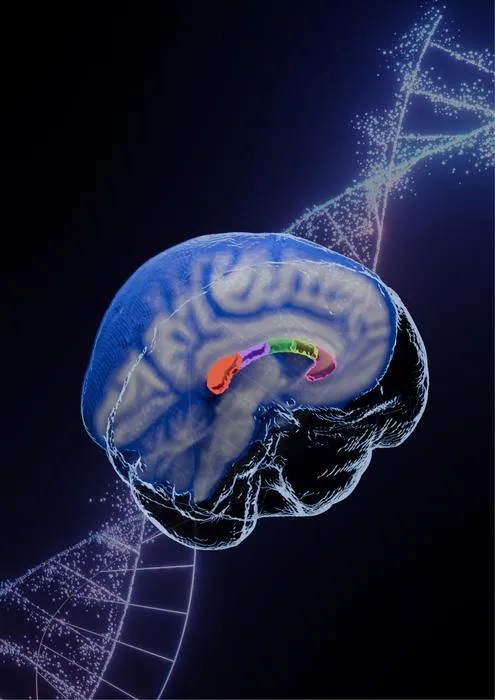
USC researchers used AI to analyze MRI scans and uncover the genetic architecture of the brain's corpus callosum.
Key Details
- 1Researchers analyzed brain MRI and genetic data from over 50,000 individuals worldwide.
- 2A novel AI tool was developed to automatically locate and measure the corpus callosum in MRI scans.
- 3Dozens of genetic regions affecting the size and thickness of the corpus callosum and subregions were identified.
- 4Distinct gene sets were found to govern area versus thickness, relating to brain function and development.
- 5The new AI tool is being made publicly available for research use, accelerating future discoveries.
Why It Matters
This research exemplifies the power of AI in large-scale neuroimaging analysis, connecting genetic factors to brain structure with direct implications for studying mental health and neurological disorders. Making the AI tool available to the community could further advance imaging genetics, precision diagnostics, and brain disease research.

Source
EurekAlert
Related News
•EurekAlert
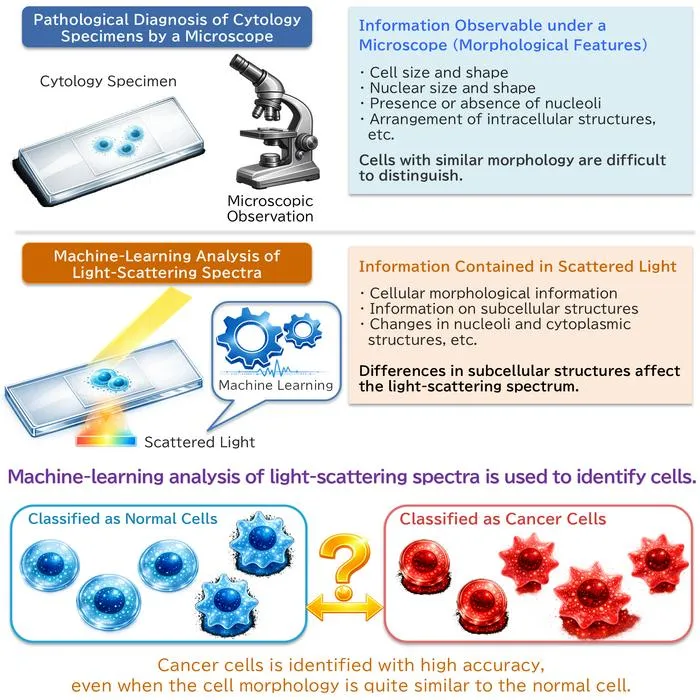
AI System Enhances Cancer Cell Detection via Light Scattering Spectra
Japanese researchers developed an AI system using light scattering spectra to improve cancer cell identification in cytology.
•EurekAlert
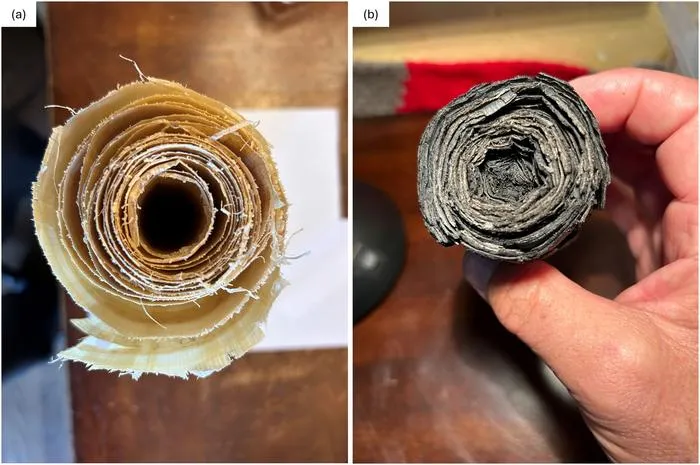
AI and X-ray Imaging Reveal Lost Texts in Ancient Roman Scrolls
AI and x-ray technology enable scientists to virtually read previously unreadable, carbonized Roman scrolls from Herculaneum.

•EurekAlert
AI’s Potential to Expand, Not Shrink, the Clinical Workforce
AI advancements may lead to more, not fewer, healthcare jobs, challenging common fears about workforce reductions in specialties like radiology.