
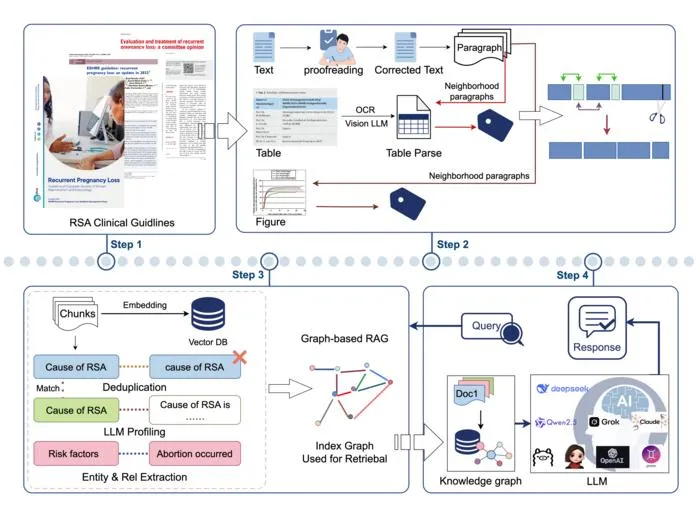
A novel graph-based AI system, RSA-KG, significantly improves clinical decision support for diagnosing recurrent spontaneous abortion (RSA) by integrating multimodal clinical data and expert guidelines.
Key Details
- 1RSA-KG integrates structured and unstructured clinical data, including imaging reports, lab values, and molecular biomarkers.
- 2The knowledge graph is built from five major international RSA guidelines and extensive literature using NLP and multimodal AI models.
- 3A rigorous evaluation with 3,000 clinician-validated questions showed RSA-KG-enhanced LLMs outperform naive RAG and raw models (e.g., 86.5% vs. 76.5% accuracy for DeepSeek-R1).
- 4Qualitative expert scoring from 10 clinicians confirmed higher clinical usefulness of RSA-KG outputs over standard LLMs and other medical models.
- 5Key limitations include limited biomarker recency, single-discipline expert evaluation, and need for multicenter clinical validation.
Why It Matters
RSA-KG demonstrates a state-of-the-art integration of guidelines, imaging, and clinical data via AI, highlighting pathways to more adaptable and clinically relevant decision support systems in complex diagnostic areas. Radiology-AI professionals can leverage such frameworks for robust, multimodal reasoning and model validation.

Source
EurekAlert
Related News
•EurekAlert
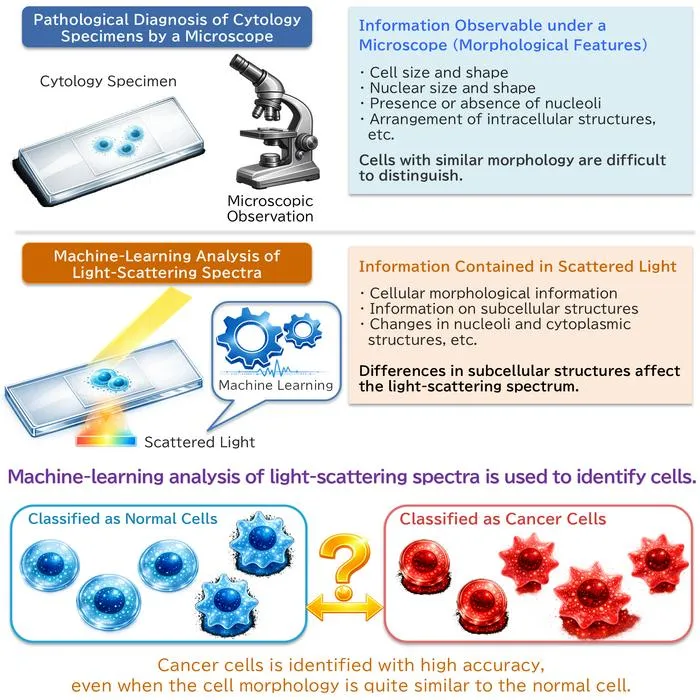
AI System Enhances Cancer Cell Detection via Light Scattering Spectra
Japanese researchers developed an AI system using light scattering spectra to improve cancer cell identification in cytology.
•EurekAlert
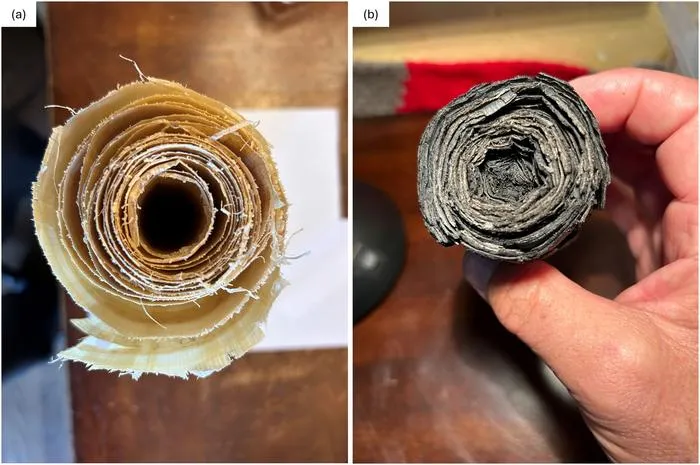
AI and X-ray Imaging Reveal Lost Texts in Ancient Roman Scrolls
AI and x-ray technology enable scientists to virtually read previously unreadable, carbonized Roman scrolls from Herculaneum.

•EurekAlert
AI’s Potential to Expand, Not Shrink, the Clinical Workforce
AI advancements may lead to more, not fewer, healthcare jobs, challenging common fears about workforce reductions in specialties like radiology.