
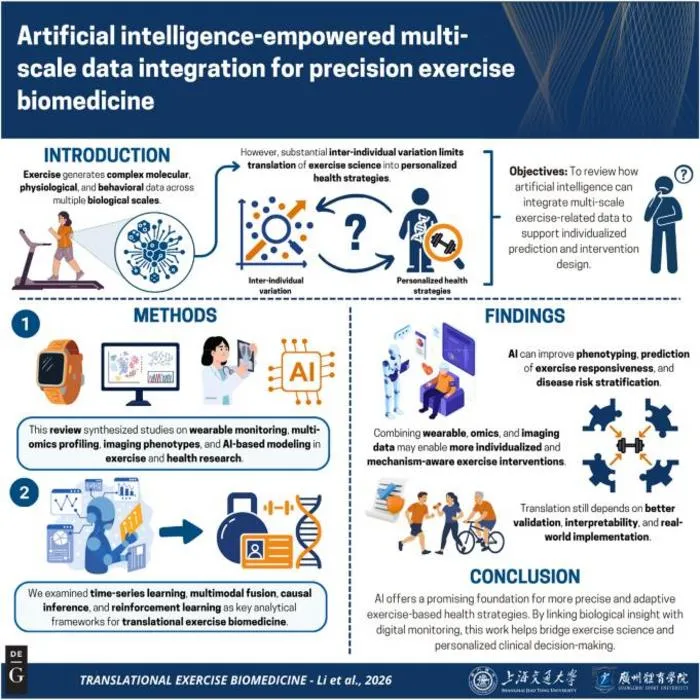
A review shows AI-driven integration of imaging, omics, and wearable data may enable truly individualized exercise medicine.
Key Details
- 1AI integrates multi-scale data including imaging, wearables, and omics for personalized exercise prescriptions.
- 2The review appears in Translational Exercise Biomedicine, in partnership with the International Federation of Sports Medicine.
- 3Four core AI paradigms are described: time-series learning, multimodal fusion, causal inference, and reinforcement learning.
- 4Applications include cardiometabolic disease, liver disease, neurodegeneration, cancer survivorship, and chronic kidney disease.
- 5AI methods such as foundation models have already shown impact in retinal imaging and pathology, indicating transferability.
- 6Challenges include handling data heterogeneity, interpretability, regulatory, and ethical concerns.
Why It Matters
This review highlights the growing role of AI in synthesizing imaging and other biomedical data for tailoring exercise interventions. Radiology professionals should track such advancements, as integrating imaging biomarkers with other modalities could expand precision medicine and preventative care approaches.

Source
EurekAlert
Related News
•EurekAlert
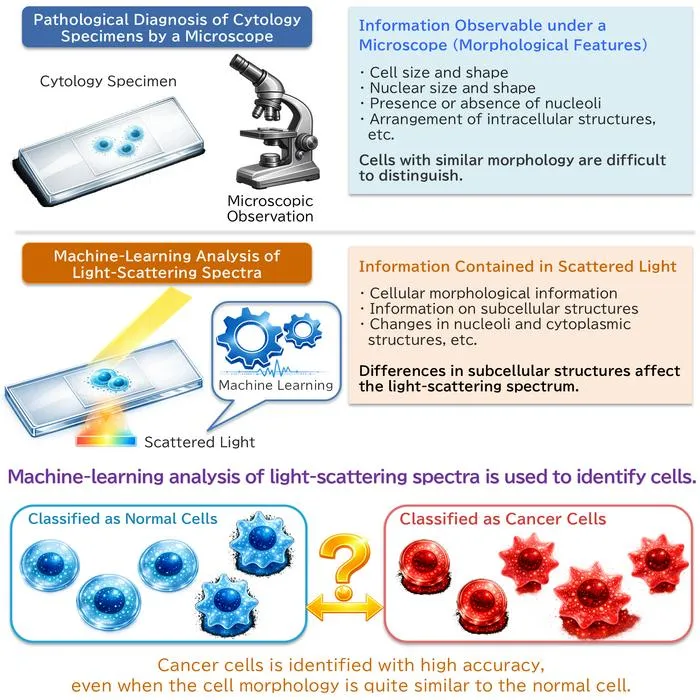
AI System Enhances Cancer Cell Detection via Light Scattering Spectra
Japanese researchers developed an AI system using light scattering spectra to improve cancer cell identification in cytology.
•EurekAlert
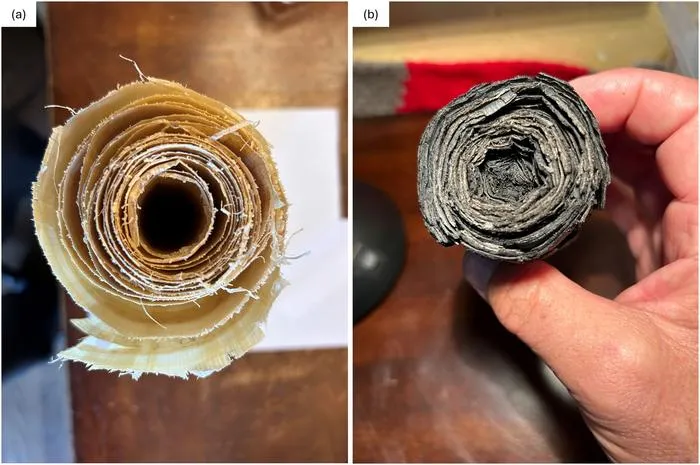
AI and X-ray Imaging Reveal Lost Texts in Ancient Roman Scrolls
AI and x-ray technology enable scientists to virtually read previously unreadable, carbonized Roman scrolls from Herculaneum.

•EurekAlert
AI’s Potential to Expand, Not Shrink, the Clinical Workforce
AI advancements may lead to more, not fewer, healthcare jobs, challenging common fears about workforce reductions in specialties like radiology.