
AI assistance raised detection rates of actionable lung nodules on LDCT but did not reduce interpretation time for radiologists.
Key Details
- 1911 asymptomatic adults received LDCT exams, randomized to AI-assisted (n=447) or standard (n=464) interpretation.
- 2Commercial AI tool (Aview Lung Nodule CAD, Coreline Soft) used for nodule identification, classification, and measurement.
- 3AI group detected significantly more Lung-RADS-positive nodules (16.9% vs. 10.3%, p=0.03) and all nodules (52.9% vs. 32.6%, p=0.002).
- 4Interpretation time was not reduced with AI (187s with AI vs. 172s without AI, p=0.23).
- 5AI group had higher frequency of follow-up LDCT recommendations (15.3% vs. 7.4%, p=0.04).
- 6No individual in either group developed lung cancer during median follow-up.
Why It Matters
While AI integration increased detection of clinically relevant findings, it did not improve workflow efficiency and increased follow-up imaging, raising questions about the real-world value and resource implications of AI in lung screening protocols.

Source
AuntMinnie
Related News
•Radiology Business
Real-World Study: Radiology AI Best in Emergency and Inpatient Settings
A commercial AI tool for intracranial aneurysm detection outperformed in inpatient and emergency settings but yielded limited benefits for outpatients in a major health system study.
•Radiology Business
New Rubric Enhances Safety of AI-Generated Radiology Summaries
Researchers developed a five-factor rubric to assess the safety and quality of AI-generated, patient-friendly radiology report summaries.
•Radiology Business
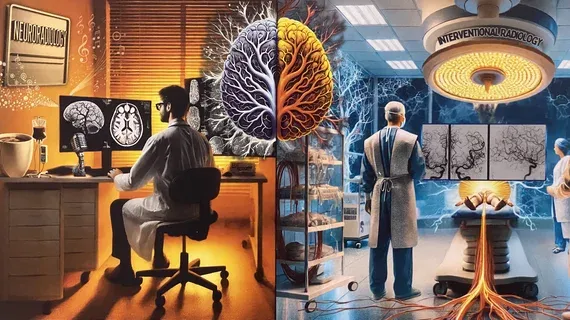
Healthcare Leader Warns AI Will Dominate Diagnostic Radiology
A leading oncologist urges future radiologists to specialize in interventional procedures due to AI advances in image interpretation.