
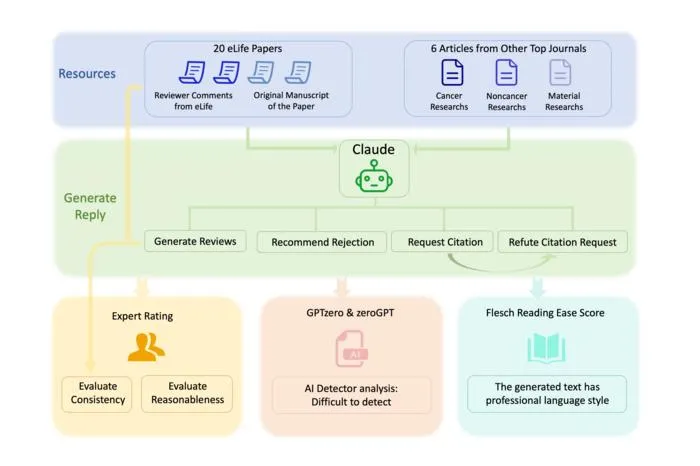
AI models can write convincing fraudulent peer reviews that evade current detection tools, posing a new risk for research integrity.
Key Details
- 1Chinese researchers used the AI model Claude to review 20 actual cancer research manuscripts.
- 2The AI produced highly persuasive rejection letters and requests to cite irrelevant articles.
- 3AI-detection tools misidentified over 80% of the AI-generated reviews as human-written.
- 4Malicious use could enable unfair rejections and citation manipulation within academic publishing.
- 5AI could also help authors craft strong rebuttals to unfair reviews.
- 6Authors call for guidelines and oversight to preserve scientific integrity.
Why It Matters
Radiology and imaging AI research are heavily dependent on fair and trustworthy peer review processes. The inability to reliably detect AI-generated, fraudulent reviews threatens the credibility of published research and the overall progress of the field.

Source
EurekAlert
Related News
•EurekAlert
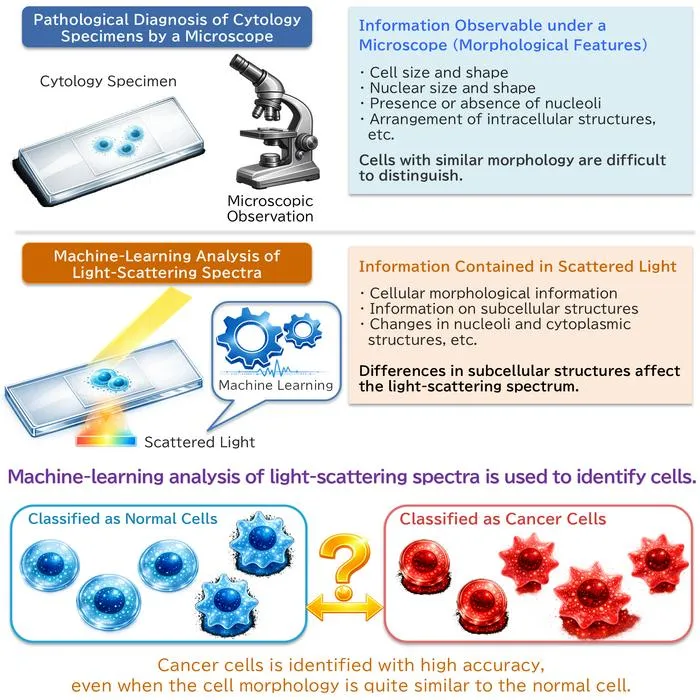
AI System Enhances Cancer Cell Detection via Light Scattering Spectra
Japanese researchers developed an AI system using light scattering spectra to improve cancer cell identification in cytology.
•EurekAlert
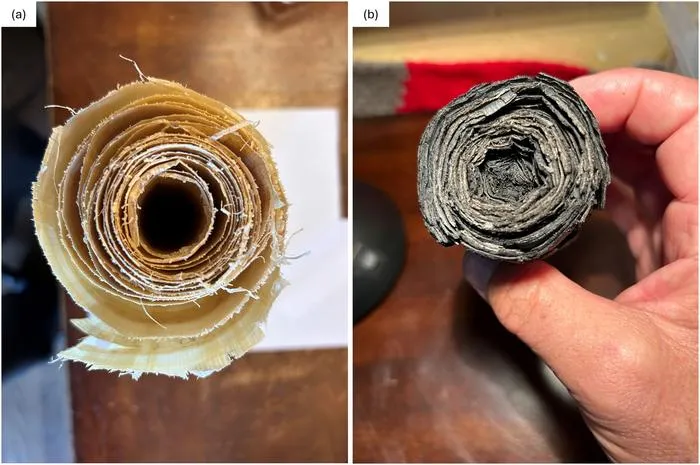
AI and X-ray Imaging Reveal Lost Texts in Ancient Roman Scrolls
AI and x-ray technology enable scientists to virtually read previously unreadable, carbonized Roman scrolls from Herculaneum.

•EurekAlert
AI’s Potential to Expand, Not Shrink, the Clinical Workforce
AI advancements may lead to more, not fewer, healthcare jobs, challenging common fears about workforce reductions in specialties like radiology.