
Researchers created an AI tool leveraging clinical and radiology data to accurately predict patients at risk of intimate partner violence (IPV).
Key Details
- 1NIH-funded study trained AI models on structured clinical data and unstructured text, including radiology reports.
- 2Models evaluated data from nearly 850 IPV-affected female patients and 5,200 matched controls.
- 3Three models were developed: structured data only, unstructured text only, and multimodal (fusion) combining both.
- 4The fusion model achieved 88% accuracy and greater stability, outperforming single-modality models.
- 5Both tabular and fusion models predicted IPV risk an average of three years before intervention center enrollment.
- 6Emergency radiologist Bhati Khurana was senior author; further clinical integration is planned via EMR tools.
Why It Matters
Proactive AI-based IPV risk identification can significantly improve early intervention and patient outcomes, with radiology playing a key role in detection. This approach illustrates how imaging and informatics can address public health challenges beyond traditional diagnostics.

Source
EurekAlert
Related News
•EurekAlert
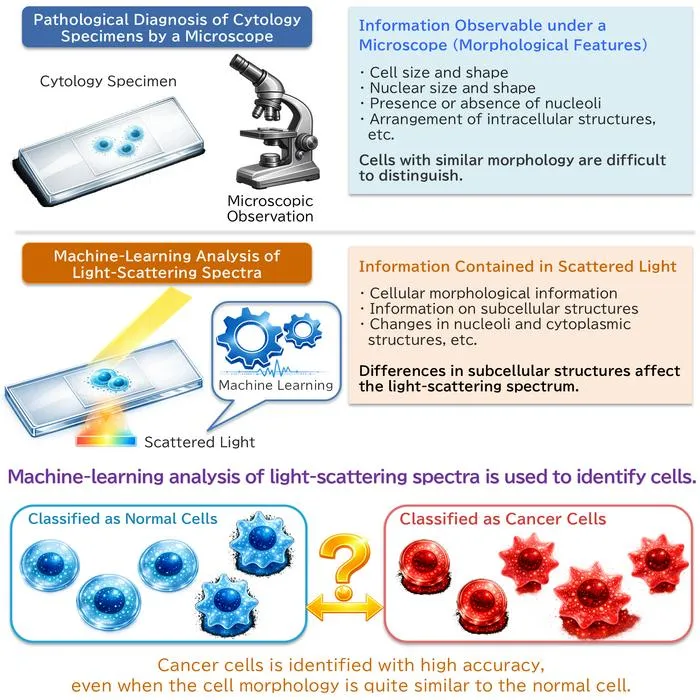
AI System Enhances Cancer Cell Detection via Light Scattering Spectra
Japanese researchers developed an AI system using light scattering spectra to improve cancer cell identification in cytology.
•EurekAlert
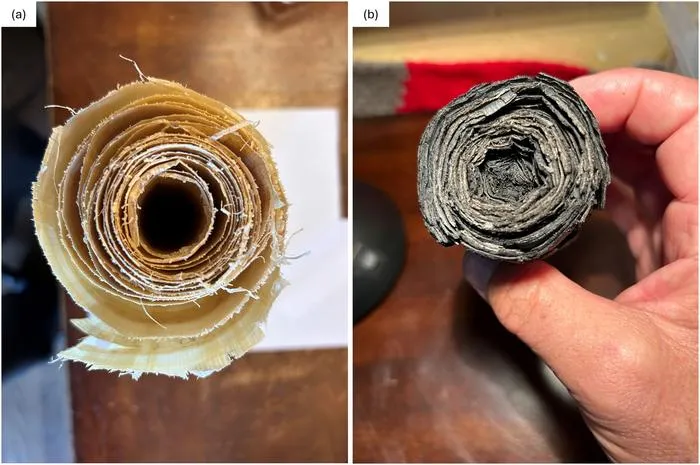
AI and X-ray Imaging Reveal Lost Texts in Ancient Roman Scrolls
AI and x-ray technology enable scientists to virtually read previously unreadable, carbonized Roman scrolls from Herculaneum.

•EurekAlert
AI’s Potential to Expand, Not Shrink, the Clinical Workforce
AI advancements may lead to more, not fewer, healthcare jobs, challenging common fears about workforce reductions in specialties like radiology.