

A study using deep learning on MRI data found no structural brain correlates for navigation skills in young adults.
Key Details
- 1Researchers applied deep convolutional neural networks to MRI data from 90 healthy young adults focused on navigation skills.
- 2No significant link was found between the size or structure of the hippocampus and navigation abilities.
- 3The study challenges longstanding ideas about structural brain differences underlying navigation, such as those suggested by London taxi driver research.
- 4AI tools, despite their sensitivity, could not uncover any hidden brain-behavior correlations for navigation in this population.
- 5Findings suggest current AI techniques may have limits in mapping everyday cognitive functions to brain structure.
Why It Matters
This work highlights both the potential and current limits of AI in brain MRI research, particularly for subtle behavioral phenomena. Understanding these boundaries informs radiology practitioners and researchers about where imaging AI may—and may not—yield actionable insights.

Source
EurekAlert
Related News
•EurekAlert
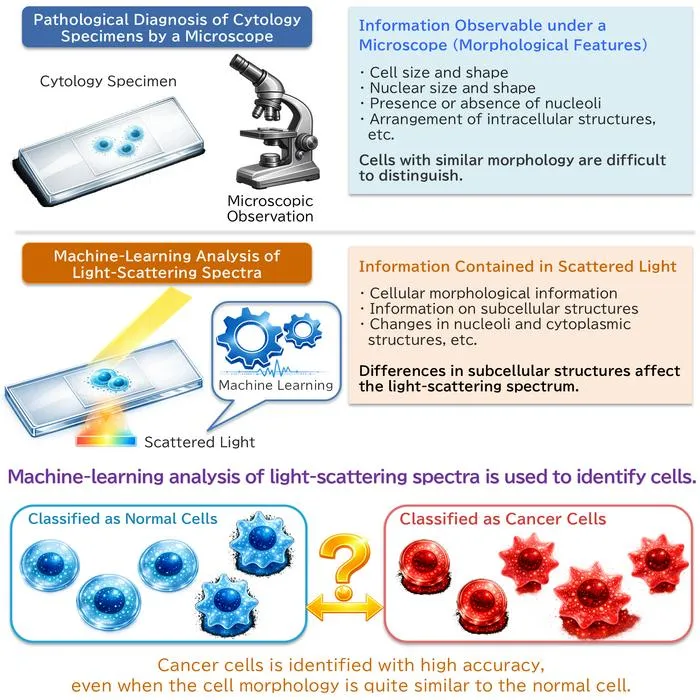
AI System Enhances Cancer Cell Detection via Light Scattering Spectra
Japanese researchers developed an AI system using light scattering spectra to improve cancer cell identification in cytology.
•EurekAlert
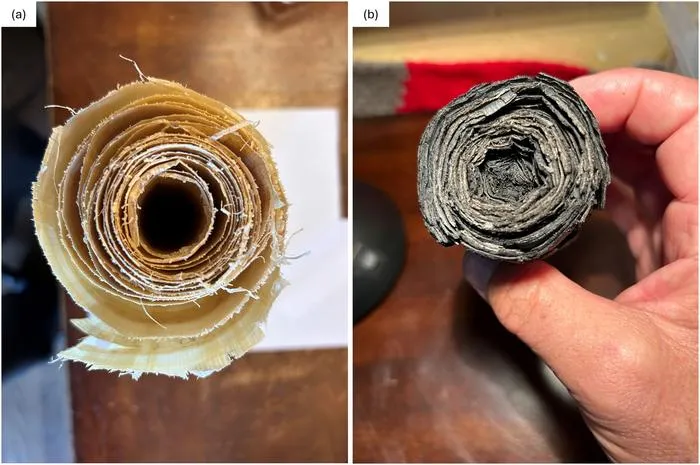
AI and X-ray Imaging Reveal Lost Texts in Ancient Roman Scrolls
AI and x-ray technology enable scientists to virtually read previously unreadable, carbonized Roman scrolls from Herculaneum.

•EurekAlert
AI’s Potential to Expand, Not Shrink, the Clinical Workforce
AI advancements may lead to more, not fewer, healthcare jobs, challenging common fears about workforce reductions in specialties like radiology.