
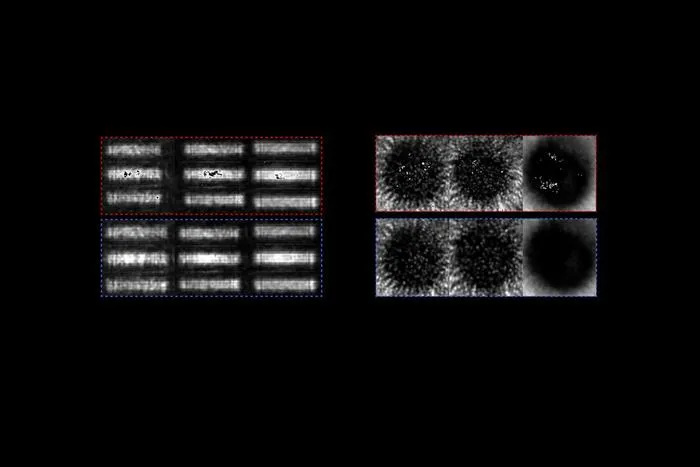
Researchers developed a physics-based machine learning imaging system that enhances visibility through complex media, holding promise for biomedical imaging.
Key Details
- 1Team from UCLA and University of Rochester improved a light-scattering imaging system using AI (DeepTimeGate).
- 2The new method more than doubled the signal-to-noise ratio versus previous technologies.
- 3Creates images in real time (thousandths of a second) using standard silicon-based cameras.
- 4System reconstructed images with fewer artifacts and broader field of view.
- 5Potential biomedical uses include guiding surgeries and analyzing cloudy blood samples without dilution.
- 6Published in Nature Light: Science & Applications; funded by ONR, NSF, DOE.
Why It Matters
Real-time, affordable imaging through complex media can enable safer, more accessible biomedical diagnostics and surgical guidance using widely available camera hardware. This intersection of physics-based AI and radiology opens new frontiers in tissue imaging and laboratory workflows.

Source
EurekAlert
Related News
•EurekAlert
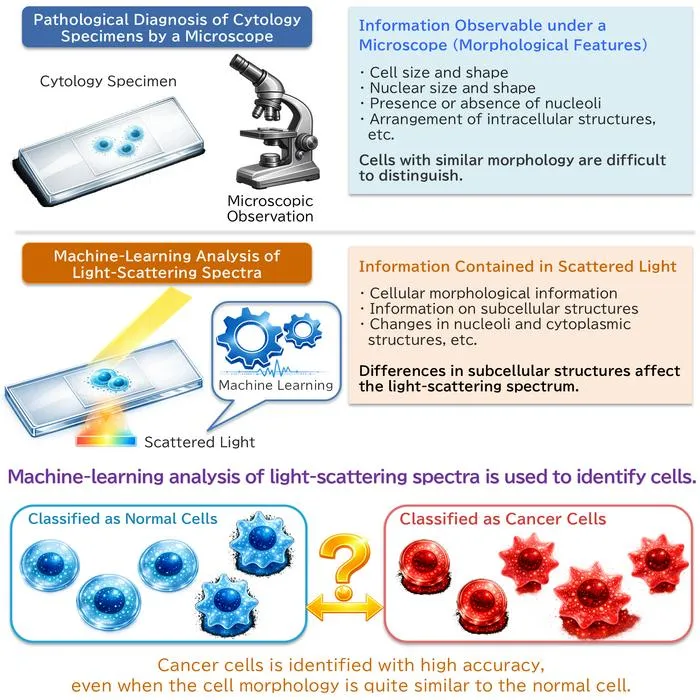
AI System Enhances Cancer Cell Detection via Light Scattering Spectra
Japanese researchers developed an AI system using light scattering spectra to improve cancer cell identification in cytology.
•EurekAlert
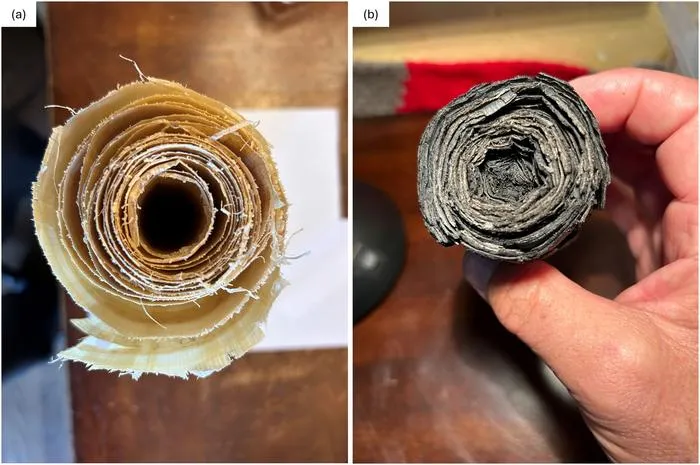
AI and X-ray Imaging Reveal Lost Texts in Ancient Roman Scrolls
AI and x-ray technology enable scientists to virtually read previously unreadable, carbonized Roman scrolls from Herculaneum.

•EurekAlert
AI’s Potential to Expand, Not Shrink, the Clinical Workforce
AI advancements may lead to more, not fewer, healthcare jobs, challenging common fears about workforce reductions in specialties like radiology.