
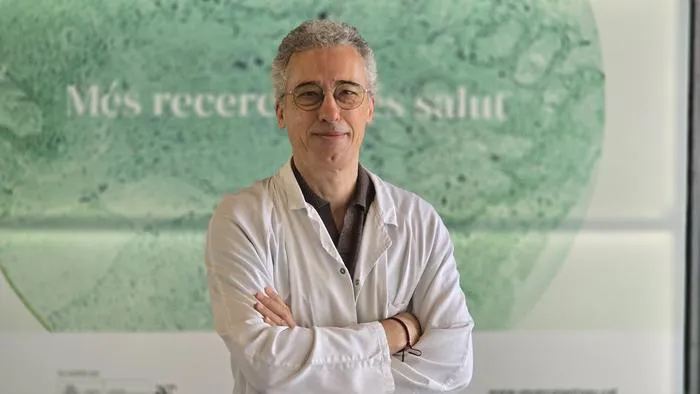
Researchers create an AI model integrating genetic, clinical, and transcriptomic data to identify individuals at risk for thrombosis.
Key Details
- 1A new AI tool analyzes over 12,900 genes alongside clinical and genetic data to model thrombosis risk.
- 2Study involved 790 individuals from families with a history of venous thrombosis, including 70 with idiopathic thrombosis.
- 3494 genes, including many noncoding RNAs, were identified as associated with thrombosis risk.
- 4Adding transcriptomic data improved patient classification: those classified 'high-risk' without thrombosis dropped from 43% to 23%.
- 5The research was published in the Journal of Thrombosis and Haemostasis and still requires external validation.
Why It Matters
The study highlights how integrating genomic and transcriptomic profiles via AI can provide more precise risk stratification than clinical factors alone, pointing toward more personalized and data-driven approaches in disease prevention—relevant as similar data integration strategies emerge in radiology and imaging AI.

Source
EurekAlert
Related News
•EurekAlert
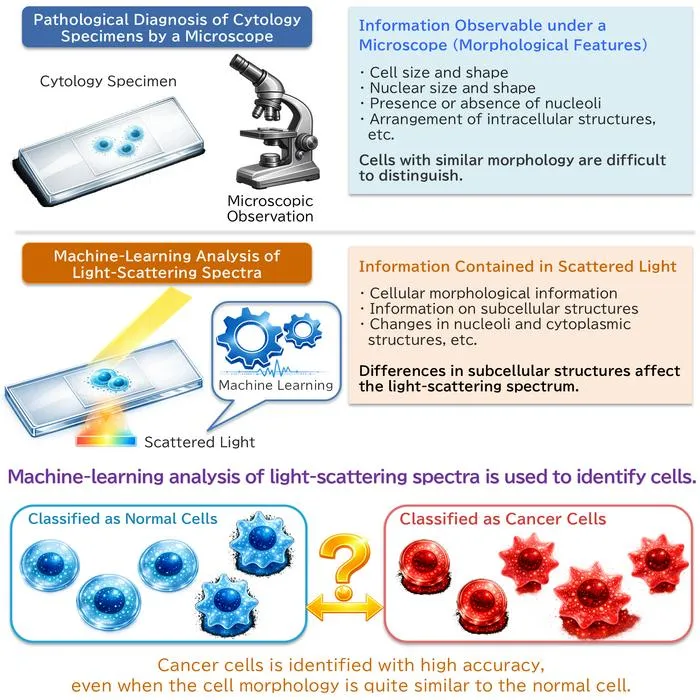
AI System Enhances Cancer Cell Detection via Light Scattering Spectra
Japanese researchers developed an AI system using light scattering spectra to improve cancer cell identification in cytology.
•EurekAlert
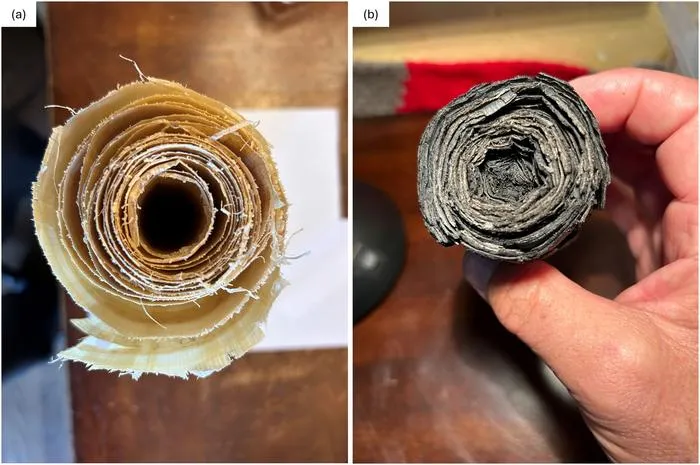
AI and X-ray Imaging Reveal Lost Texts in Ancient Roman Scrolls
AI and x-ray technology enable scientists to virtually read previously unreadable, carbonized Roman scrolls from Herculaneum.

•EurekAlert
AI’s Potential to Expand, Not Shrink, the Clinical Workforce
AI advancements may lead to more, not fewer, healthcare jobs, challenging common fears about workforce reductions in specialties like radiology.