
Researchers have created an AI tool that uses CT imaging to predict the spread risk of oropharyngeal cancer, offering improved treatment stratification.
Key Details
- 1Developed and validated by Mass General Brigham and Dana-Farber Cancer Institute.
- 2AI tool predicts likelihood of lymph node extranodal extension (ENE) using CT scans.
- 3Tested on imaging data from 1,733 patients with oropharyngeal carcinoma.
- 4Integration of AI assessment improved risk stratification for survival and cancer spread.
- 5Could guide both escalation and de-escalation of treatment strategies.
- 6Published in Journal of Clinical Oncology (DOI: 10.1200/JCO-24-02679).
Why It Matters
This tool offers a noninvasive approach for more accurate prognosis and tailored therapies in head and neck cancer, potentially reducing unnecessary interventions and improving outcomes. It demonstrates a significant advance in leveraging imaging AI for complex cancer management decisions.

Source
EurekAlert
Related News
•EurekAlert
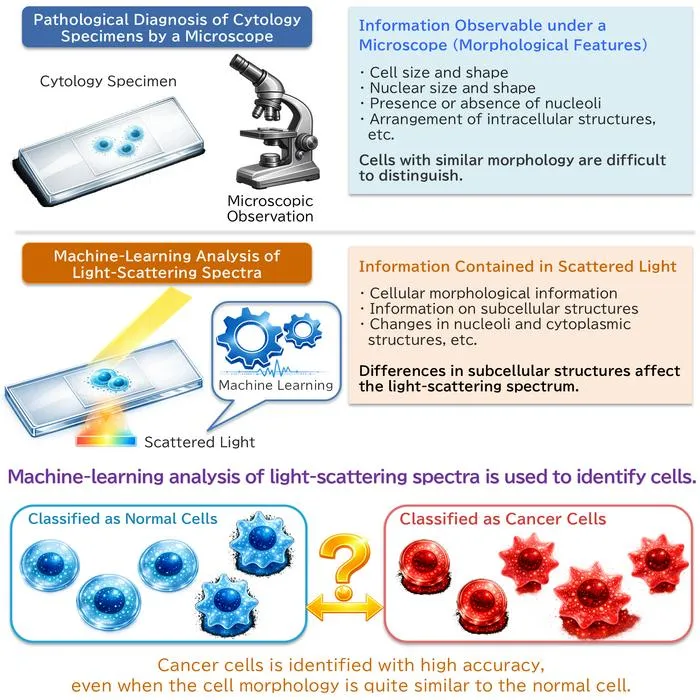
AI System Enhances Cancer Cell Detection via Light Scattering Spectra
Japanese researchers developed an AI system using light scattering spectra to improve cancer cell identification in cytology.
•EurekAlert
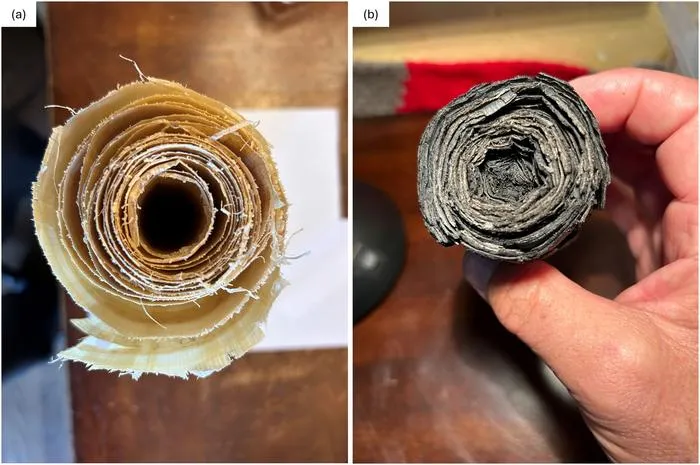
AI and X-ray Imaging Reveal Lost Texts in Ancient Roman Scrolls
AI and x-ray technology enable scientists to virtually read previously unreadable, carbonized Roman scrolls from Herculaneum.

•EurekAlert
AI’s Potential to Expand, Not Shrink, the Clinical Workforce
AI advancements may lead to more, not fewer, healthcare jobs, challenging common fears about workforce reductions in specialties like radiology.