
An AI tool analyzing CCTA images can predict future cardiovascular events and death in patients with suspected stable coronary artery disease.
Key Details
- 1The FISH&CHIPS study involved 7,836 patients who underwent AI-derived FFR-CT analysis from an initial 90,553 receiving CCTA.
- 2Lower FFR-CT values correlated with significantly increased rates of MI, cardiovascular death, and all-cause mortality independent of traditional risk factors.
- 3Patients with severely reduced FFR-CT had a four-fold risk of heart attack and triple risk of death versus those with normal values.
- 4The FFR-CT AI analysis (by HeartFlow) provided additive prognostic value over classical cardiovascular risk scores.
- 5This is the first large-scale evidence of FFR-CT's independent prognostic power in stable CAD.
- 6Study funded by UK MRC; HeartFlow provided analysis but did not fund or direct the study.
Why It Matters
This research demonstrates real-world prognostic utility for AI-based imaging tools in cardiovascular risk prediction, supporting expanded adoption of AI-enhanced CT in personalized patient management and reducing unnecessary procedures.

Source
EurekAlert
Related News
•EurekAlert
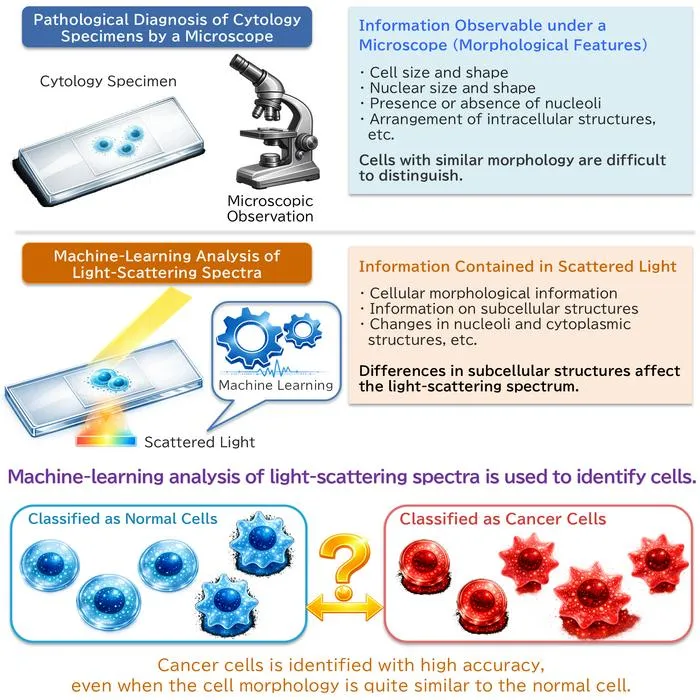
AI System Enhances Cancer Cell Detection via Light Scattering Spectra
Japanese researchers developed an AI system using light scattering spectra to improve cancer cell identification in cytology.
•EurekAlert
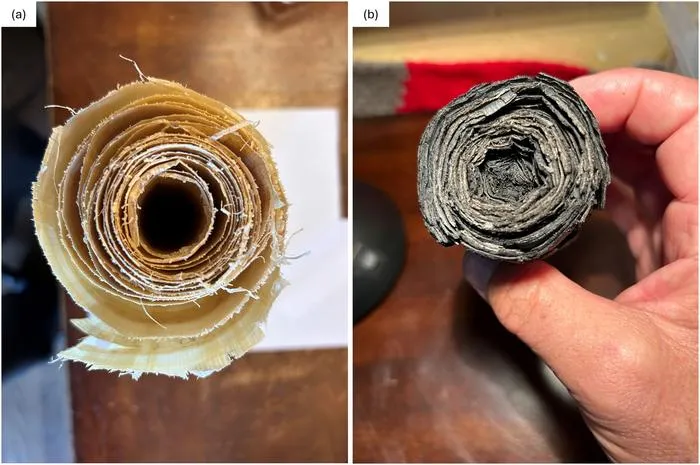
AI and X-ray Imaging Reveal Lost Texts in Ancient Roman Scrolls
AI and x-ray technology enable scientists to virtually read previously unreadable, carbonized Roman scrolls from Herculaneum.

•EurekAlert
AI’s Potential to Expand, Not Shrink, the Clinical Workforce
AI advancements may lead to more, not fewer, healthcare jobs, challenging common fears about workforce reductions in specialties like radiology.