
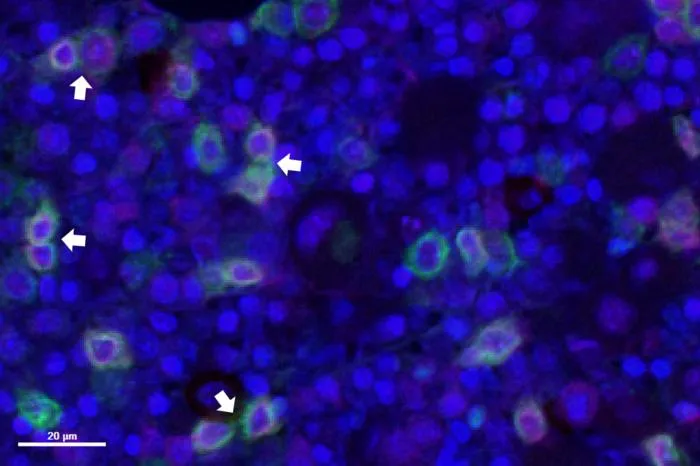
Weill Cornell Medicine develops an AI tool to score and track disease severity in blood cancer from bone marrow imaging.
Key Details
- 1New AI-based method analyzes the spatial architecture and morphology of cells in bone marrow biopsies for myelodysplastic neoplasms (MDS).
- 2Produces the MDS-Microarchitectural Perturbation Score (MDS-MAPS) from 82 features to indicate disease severity.
- 3Tool leverages routinely collected samples and standard imaging protocols, making hospital adoption feasible.
- 4MDS-MAPS shows improved ability to classify disease progression compared to current pathologist methods.
- 5Planned validation studies in larger patient cohorts and other related conditions are underway.
- 6Research also offers insights into gene mutations (e.g., TP53) and their impact on bone marrow structure.
Why It Matters
This method could provide clinicians and patients with clearer, more actionable information for managing MDS, representing a step forward for AI-assisted pathology and precision medicine in hematologic cancer. Adoption of such tools may standardize and improve response assessment in a disease with traditionally subjective analysis.

Source
EurekAlert
Related News
•EurekAlert
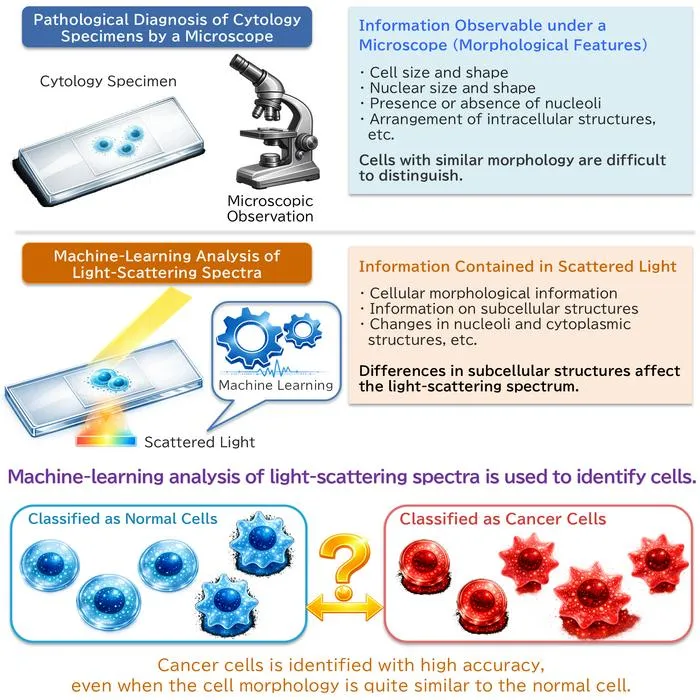
AI System Enhances Cancer Cell Detection via Light Scattering Spectra
Japanese researchers developed an AI system using light scattering spectra to improve cancer cell identification in cytology.
•EurekAlert
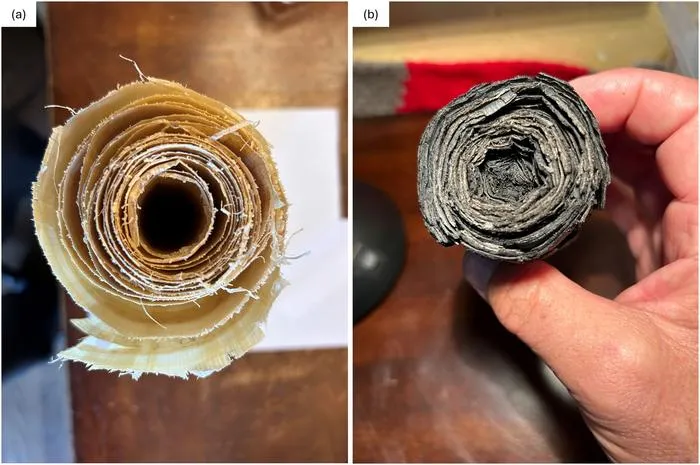
AI and X-ray Imaging Reveal Lost Texts in Ancient Roman Scrolls
AI and x-ray technology enable scientists to virtually read previously unreadable, carbonized Roman scrolls from Herculaneum.

•EurekAlert
AI’s Potential to Expand, Not Shrink, the Clinical Workforce
AI advancements may lead to more, not fewer, healthcare jobs, challenging common fears about workforce reductions in specialties like radiology.