
Ultrasound AI's study validates advanced AI for predicting delivery timing using standard ultrasound images.
Key Details
- 1Ultrasound AI, in collaboration with University of Kentucky, published results in The Journal of Maternal-Fetal & Neonatal Medicine.
- 2The AI predicts time to delivery using only standard ultrasound images, not relying on clinical history or other risk factors.
- 3In a large cohort (over 2 million images, thousands of patients), the AI achieved an R² of 0.95 for term and 0.92 for all births.
- 4Continuous retraining improved AI's prediction of preterm births, with R² increasing from 0.48 (V1) to 0.72 (V4).
- 5Technology is scalable, non-invasive, and functions well across all trimesters and diverse patient populations.
Why It Matters
Accurate prediction of delivery timing, especially preterm births, remains a persistent challenge. This AI-driven approach, requiring only routine ultrasound images, could significantly improve pregnancy management and outcomes worldwide, particularly in under-resourced settings.

Source
EurekAlert
Related News
•EurekAlert
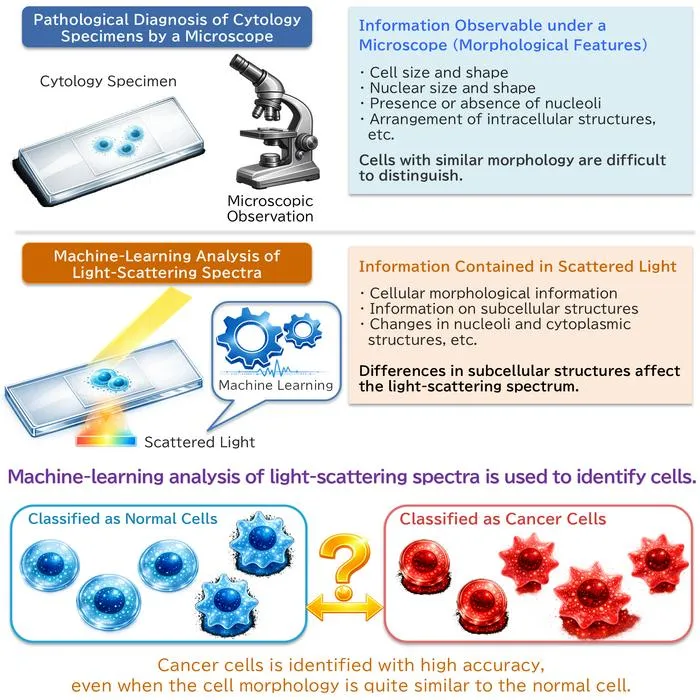
AI System Enhances Cancer Cell Detection via Light Scattering Spectra
Japanese researchers developed an AI system using light scattering spectra to improve cancer cell identification in cytology.
•EurekAlert
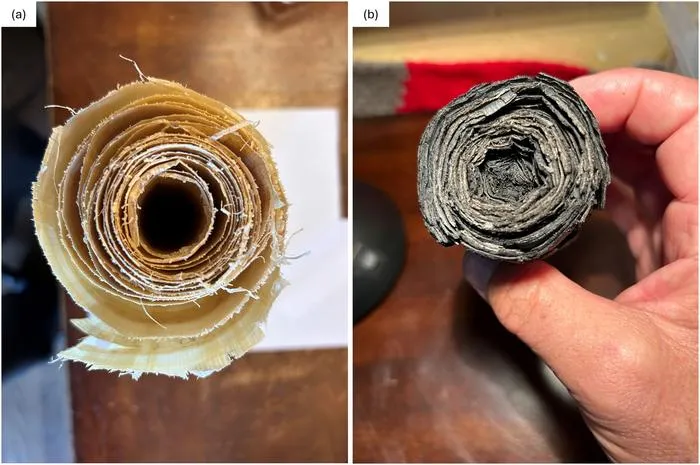
AI and X-ray Imaging Reveal Lost Texts in Ancient Roman Scrolls
AI and x-ray technology enable scientists to virtually read previously unreadable, carbonized Roman scrolls from Herculaneum.
•EurekAlert
AI’s Potential to Expand, Not Shrink, the Clinical Workforce
AI advancements may lead to more, not fewer, healthcare jobs, challenging common fears about workforce reductions in specialties like radiology.