
A Penn State-led study finds that patient trust in doctors decreases when AI disagrees with their medical assessment.
Key Details
- 1A study used an AI chatbot roleplaying as a doctor for online mental health consultations.
- 2135 adults participated in sessions where the 'doctor' could seek a second opinion from an AI assistant.
- 3Patient confidence increased when the AI agreed with the doctor's assessment, but dropped sharply when AI disagreed.
- 4Perceptions of uncertainty and 'doctor laziness' rose with AI-doctor disagreement.
- 5The negative impact was strongest when patients perceived the doctor as human-like and believed in AI’s objectivity.
- 6Authors recommend explicit, nuanced communication about AI disagreements to maintain patient trust.
Why It Matters
As radiology teams increasingly rely on AI for second opinions and decision support, understanding how AI disagreements affect patient trust is crucial. Strategies for effective communication of AI disagreement can help mitigate negative impacts on doctor-patient relationships and acceptance of AI-augmented care.

Source
EurekAlert
Related News
•EurekAlert
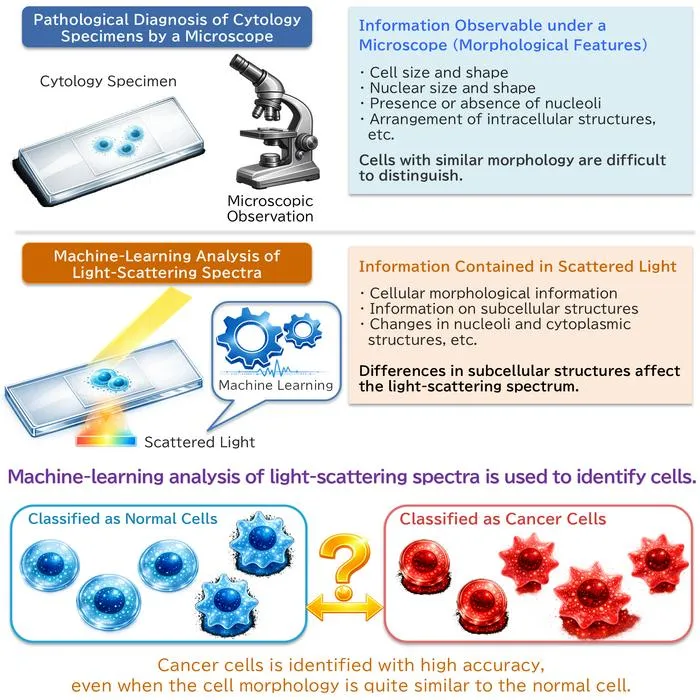
AI System Enhances Cancer Cell Detection via Light Scattering Spectra
Japanese researchers developed an AI system using light scattering spectra to improve cancer cell identification in cytology.
•EurekAlert
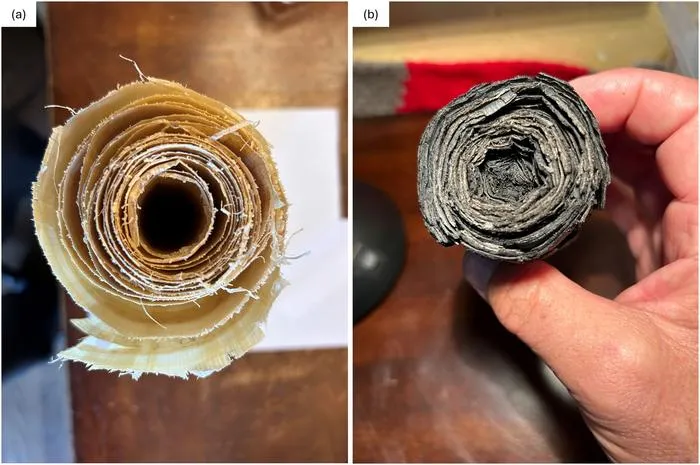
AI and X-ray Imaging Reveal Lost Texts in Ancient Roman Scrolls
AI and x-ray technology enable scientists to virtually read previously unreadable, carbonized Roman scrolls from Herculaneum.
•EurekAlert
AI’s Potential to Expand, Not Shrink, the Clinical Workforce
AI advancements may lead to more, not fewer, healthcare jobs, challenging common fears about workforce reductions in specialties like radiology.