
Researchers found that AI-driven decision support improved correct decision rates among emergency care doctors, but physician acceptance of AI recommendations remains split.
Key Details
- 1Study tested AI-enabled decision-support display ('DecAide') during pediatric trauma simulations with 35 ER care providers from six health systems.
- 2In scenarios with both AI information synthesis and recommendations, correct decisions were made 64.4% of the time, versus 56.3% with synthesis only and 55.8% with no AI support.
- 3Some clinicians accepted AI recommendations only after making their own decisions, while others distrusted or ignored the AI's output.
- 4AI did not slow down decision making; time to decision remained consistent across scenarios.
- 5Concerns about AI recommendations related to physician autonomy, potential bias, and a lack of transparency regarding the AI's reasoning.
- 6Findings were presented at the ACM Conference on Computer-Supported Cooperative Work & Social Computing, suggesting more research and clarity in AI adoption for emergency care.
Why It Matters
Although AI support is making inroads in certain fields, its use in time-sensitive clinical workflows like emergency medicine brings distinct challenges. Understanding when, how, and whether clinicians trust and benefit from AI recommendations is crucial for safe and effective integration of such tools in acute care environments and serves as a parallel lesson for radiology-AI system adoption.

Source
EurekAlert
Related News
•EurekAlert
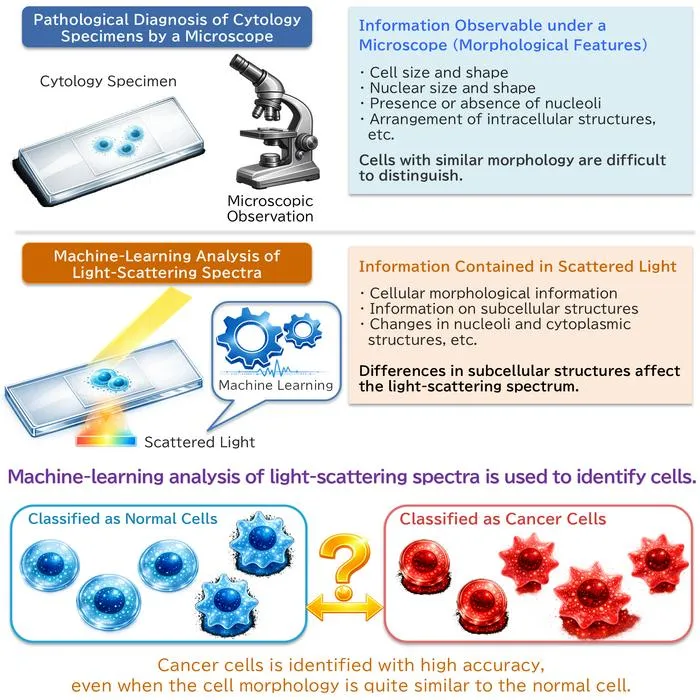
AI System Enhances Cancer Cell Detection via Light Scattering Spectra
Japanese researchers developed an AI system using light scattering spectra to improve cancer cell identification in cytology.
•EurekAlert
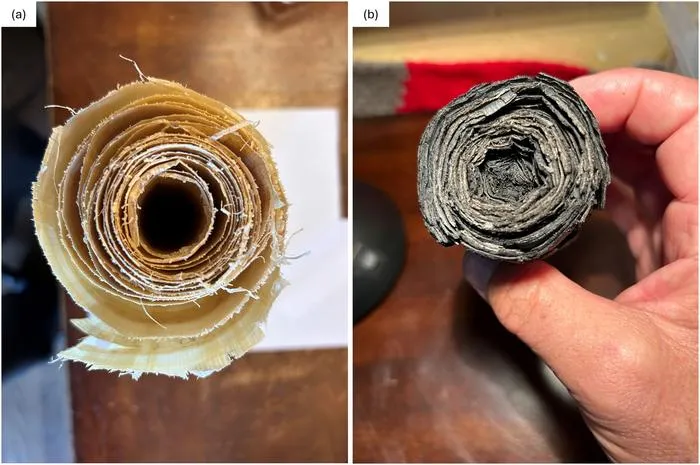
AI and X-ray Imaging Reveal Lost Texts in Ancient Roman Scrolls
AI and x-ray technology enable scientists to virtually read previously unreadable, carbonized Roman scrolls from Herculaneum.

•EurekAlert
AI’s Potential to Expand, Not Shrink, the Clinical Workforce
AI advancements may lead to more, not fewer, healthcare jobs, challenging common fears about workforce reductions in specialties like radiology.