
Recent JMIR features explore large language models in clinical diagnostics and digital fatigue among healthcare professionals.
Key Details
- 1A study compared OpenAI's o1 LLM against physicians for clinical diagnostic reasoning across triage, first physician contact, and admission.
- 2The LLM matched or exceeded human diagnostic performance, especially at the ER triage stage with minimal information.
- 3Researchers highlight current LLMs' inability to integrate nontextual data (e.g., visuals, physical cues), limiting their solo clinical utility.
- 4Potential near-term uses include LLMs providing second opinions to detect diagnostic errors.
- 5Another feature covers 'digital fatigue' from EHRs and alerts, which contributes to clinician burnout and requires workflow changes.
Why It Matters
Understanding the strengths and limitations of AI models in clinical reasoning is critical for responsible adoption in radiology and broader diagnostics. Addressing digital fatigue is essential for clinician wellbeing and sustainable integration of digital tools, including AI, in medical workflows.

Source
EurekAlert
Related News
•EurekAlert
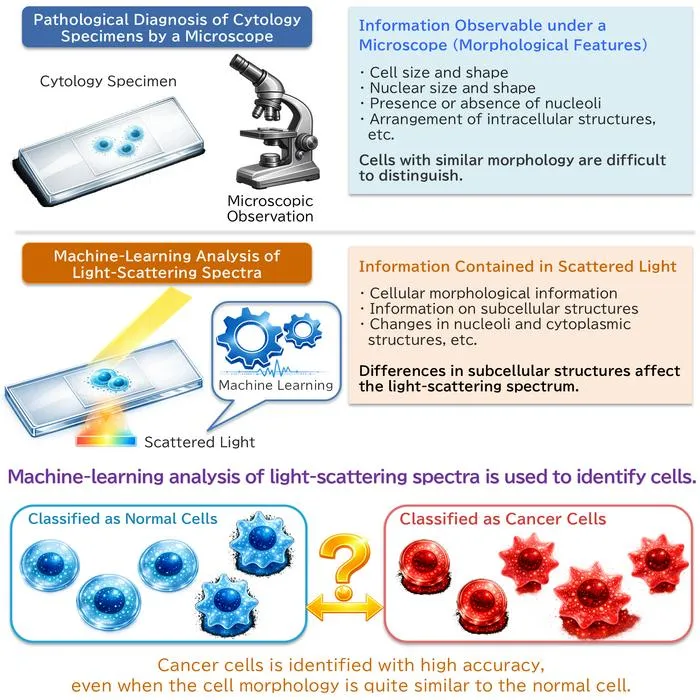
AI System Enhances Cancer Cell Detection via Light Scattering Spectra
Japanese researchers developed an AI system using light scattering spectra to improve cancer cell identification in cytology.
•EurekAlert
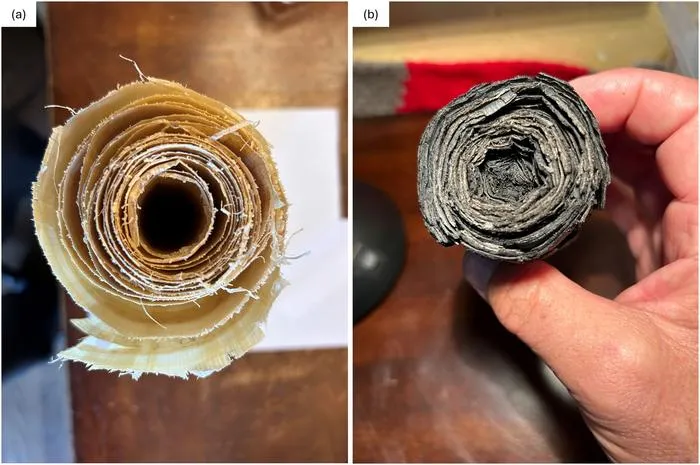
AI and X-ray Imaging Reveal Lost Texts in Ancient Roman Scrolls
AI and x-ray technology enable scientists to virtually read previously unreadable, carbonized Roman scrolls from Herculaneum.

•EurekAlert
AI’s Potential to Expand, Not Shrink, the Clinical Workforce
AI advancements may lead to more, not fewer, healthcare jobs, challenging common fears about workforce reductions in specialties like radiology.