

An international team developed M-PACT, an AI-powered tool, to classify pediatric brain tumors using liquid biopsy samples with high accuracy.
Key Details
- 1M-PACT uses AI to classify brain tumors from small amounts of circulating tumor DNA in cerebrospinal fluid.
- 2Achieved 92% accuracy in benchmarking tests for classifying brain tumors.
- 3Applicable for diagnosis, monitoring treatment response, and identifying recurrences or secondary malignancies.
- 4Utilizes deep neural network trained on over 5,000 DNA methylation profiles across ~100 tumor types.
- 5Provides new insights into tumor microenvironment by analyzing cell-type contributions.
- 6Published in Nature Cancer by a collaboration led by St. Jude Children's Research Hospital.
Why It Matters
This advance enables less invasive, highly accurate classification of pediatric brain tumors, helping personalize and improve treatment while lowering the need for surgical biopsies. The AI framework could extend to other cancers, signaling a major shift in molecular cancer diagnostics.

Source
EurekAlert
Related News
•EurekAlert
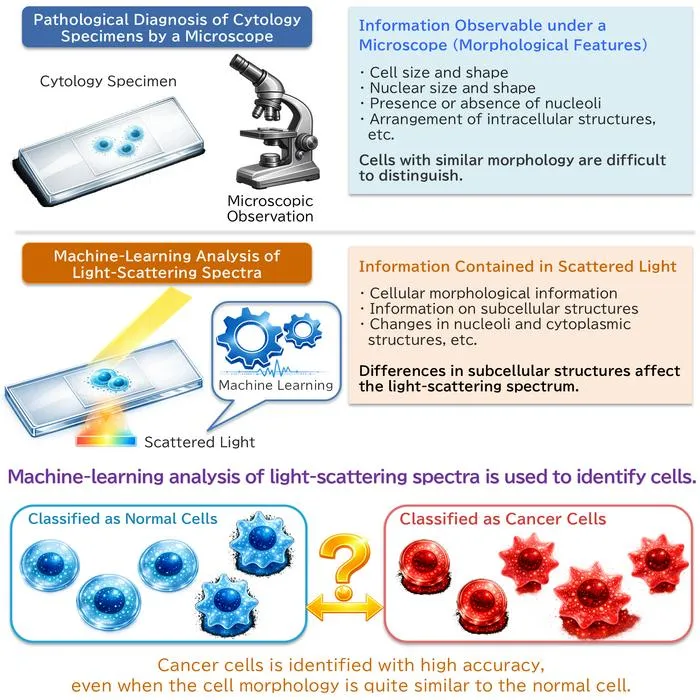
AI System Enhances Cancer Cell Detection via Light Scattering Spectra
Japanese researchers developed an AI system using light scattering spectra to improve cancer cell identification in cytology.
•EurekAlert
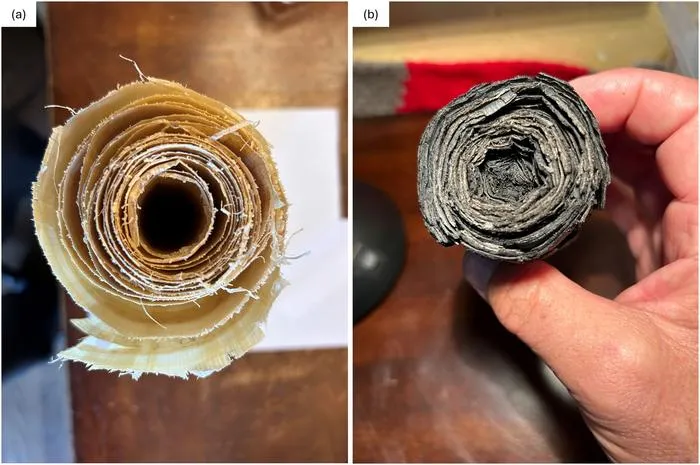
AI and X-ray Imaging Reveal Lost Texts in Ancient Roman Scrolls
AI and x-ray technology enable scientists to virtually read previously unreadable, carbonized Roman scrolls from Herculaneum.

•EurekAlert
AI’s Potential to Expand, Not Shrink, the Clinical Workforce
AI advancements may lead to more, not fewer, healthcare jobs, challenging common fears about workforce reductions in specialties like radiology.