
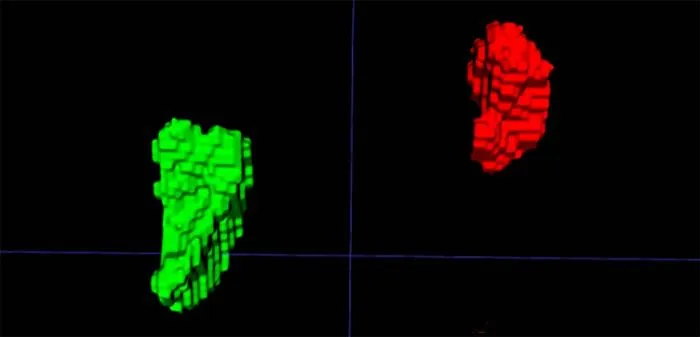
A deep learning model has identified and validated the first imaging biomarker for chronic stress using adrenal gland measurements from routine chest CT scans.
Key Details
- 1Researchers at Johns Hopkins developed an AI model to measure adrenal gland volume on chest CT scans.
- 2The study used data from 2,842 participants in the Multi-Ethnic Study of Atherosclerosis, integrating imaging, cortisol, and psychosocial stress measures.
- 3AI-derived Adrenal Volume Index (AVI) correlated with stress questionnaires, cortisol levels, and allostatic load.
- 4Higher AVI was associated with greater stress indicators and increased risk of heart failure and mortality over 10 years of follow-up.
- 5This method leverages routinely performed CT scans without additional testing or radiation.
Why It Matters
This is the first validated AI-driven imaging biomarker for chronic stress, offering radiologists a new quantitative tool for assessing the physiological impact of stress using existing CT data. The approach could improve risk stratification and guide preventive care for stress-related diseases.

Source
EurekAlert
Related News
•EurekAlert
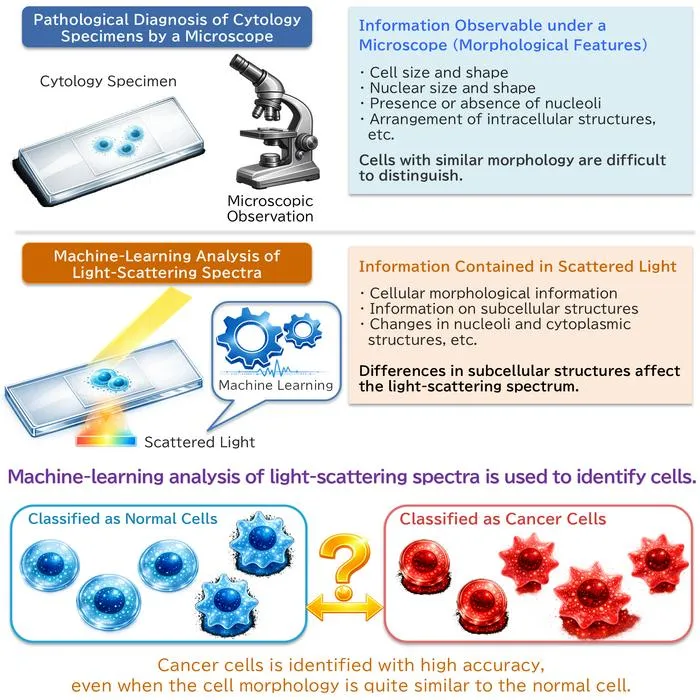
AI System Enhances Cancer Cell Detection via Light Scattering Spectra
Japanese researchers developed an AI system using light scattering spectra to improve cancer cell identification in cytology.
•EurekAlert
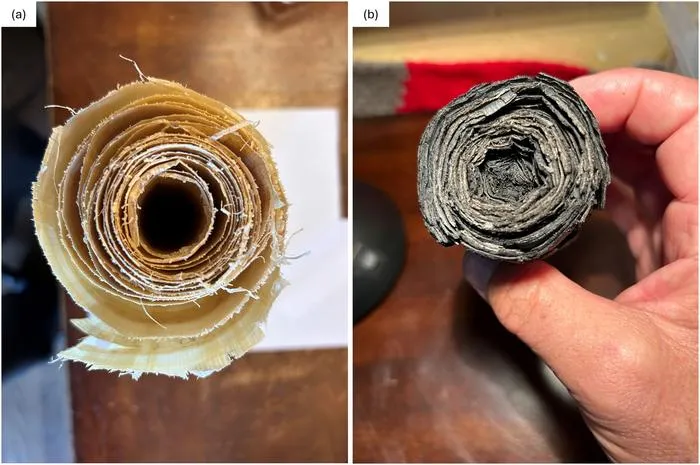
AI and X-ray Imaging Reveal Lost Texts in Ancient Roman Scrolls
AI and x-ray technology enable scientists to virtually read previously unreadable, carbonized Roman scrolls from Herculaneum.

•EurekAlert
AI’s Potential to Expand, Not Shrink, the Clinical Workforce
AI advancements may lead to more, not fewer, healthcare jobs, challenging common fears about workforce reductions in specialties like radiology.