
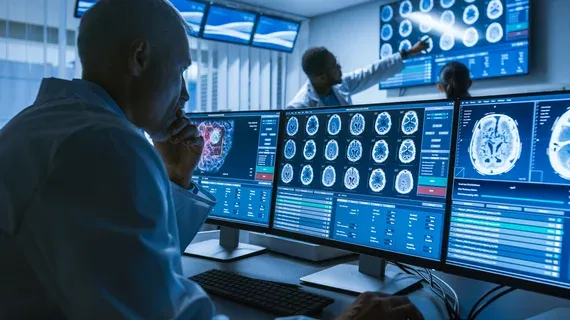
Researchers at UC Irvine used deep learning to automate head CT reformatting, improving workflow standardization and efficiency.
Key Details
- 1Manual head CT reformatting can be variable and resource-intensive due to patient and technologist factors.
- 2Automated deep learning algorithms produced expert-level reformats with high accuracy and consistency.
- 3Automation could reduce diagnostic errors and turnaround times.
- 4Improved standardization and operational cost reduction are expected outcomes.
- 5The findings are from researchers in UC Irvine's Department of Radiological Sciences, published in JACR.
Why It Matters
Automating head CT reformatting with AI can address workflow inefficiencies, reduce variability, and minimize errors, resulting in faster and more consistent diagnostic imaging. This is a significant step toward scalable, high-quality neuroimaging.

Source
Radiology Business
Related News
•Radiology Business
Real-World Study: Radiology AI Best in Emergency and Inpatient Settings
A commercial AI tool for intracranial aneurysm detection outperformed in inpatient and emergency settings but yielded limited benefits for outpatients in a major health system study.

•Radiology Business
New Rubric Enhances Safety of AI-Generated Radiology Summaries
Researchers developed a five-factor rubric to assess the safety and quality of AI-generated, patient-friendly radiology report summaries.
•Radiology Business
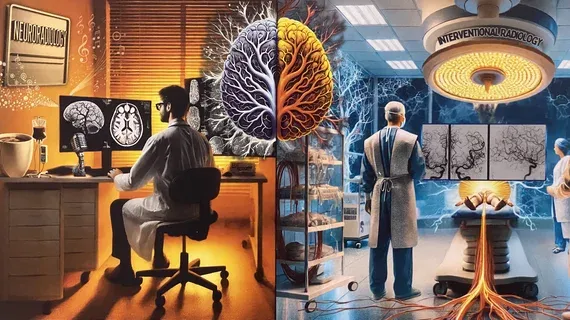
Healthcare Leader Warns AI Will Dominate Diagnostic Radiology
A leading oncologist urges future radiologists to specialize in interventional procedures due to AI advances in image interpretation.