
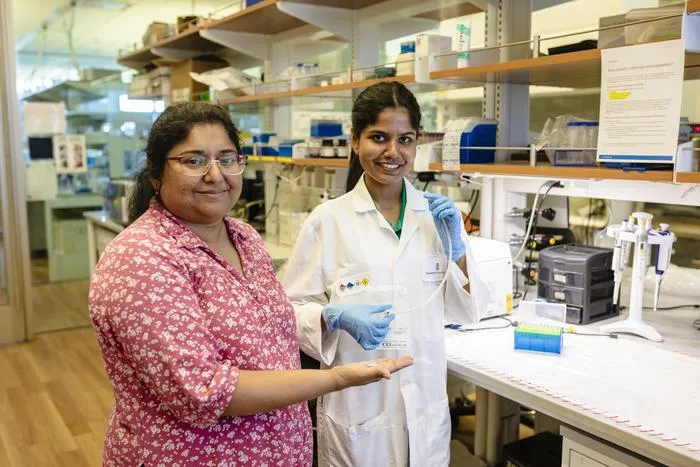
Researchers developed an electrochemical biosensor and AI system that accurately detects lung cancer from breath samples.
Key Details
- 1University of Texas at Dallas and UT Southwestern developed an electrochemical biosensor for breath analysis.
- 2The technology uses AI to analyze eight volatile organic compounds linked to thoracic cancers.
- 3In a study with 67 patients (30 biopsy-confirmed cancers), the device identified cancer-linked VOCs with 90% accuracy.
- 4The approach is designed for early, noninvasive, and affordable screening of lung and esophageal cancers.
- 5The technology was reported in the August issue of Sensing and Bio-Sensing Research.
Why It Matters
This innovation could enable routine, noninvasive, and cost-effective early detection of lung and other thoracic cancers, potentially improving survival rates and reducing burdens on healthcare systems. The integration of machine learning in biosensing highlights the expanding role of AI in clinical cancer diagnostics.

Source
EurekAlert
Related News
•EurekAlert
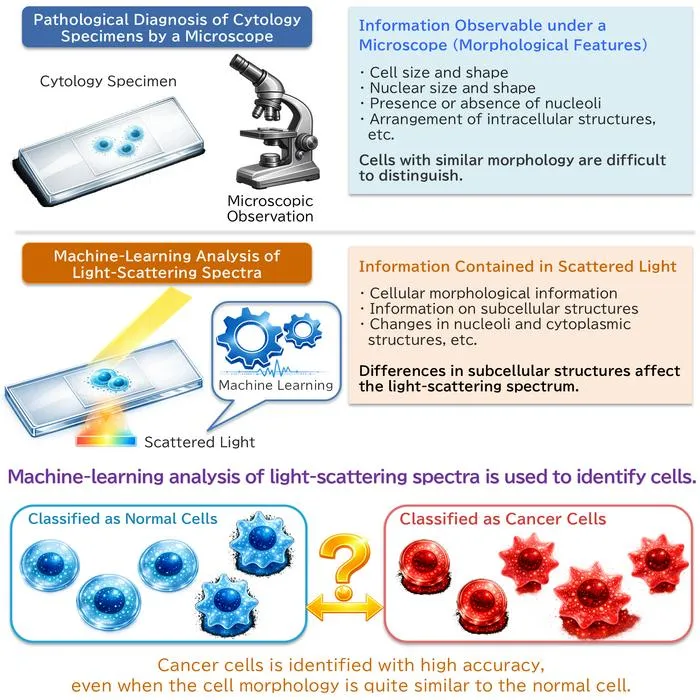
AI System Enhances Cancer Cell Detection via Light Scattering Spectra
Japanese researchers developed an AI system using light scattering spectra to improve cancer cell identification in cytology.
•EurekAlert
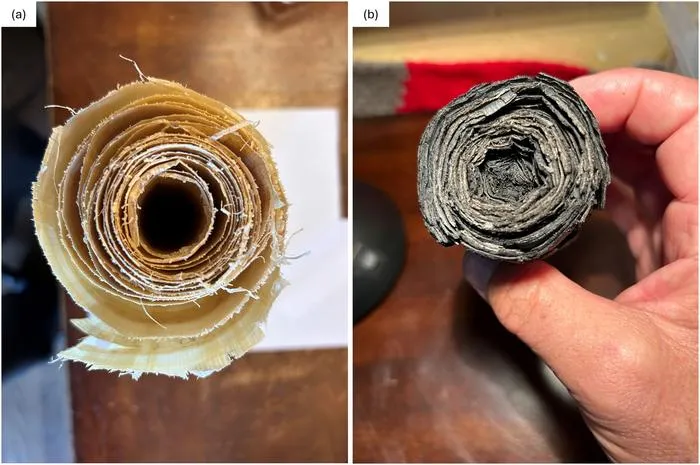
AI and X-ray Imaging Reveal Lost Texts in Ancient Roman Scrolls
AI and x-ray technology enable scientists to virtually read previously unreadable, carbonized Roman scrolls from Herculaneum.

•EurekAlert
AI’s Potential to Expand, Not Shrink, the Clinical Workforce
AI advancements may lead to more, not fewer, healthcare jobs, challenging common fears about workforce reductions in specialties like radiology.