
Mice with ischemic stroke receiving human neural stem cell transplants showed robust brain recovery, measured using AI-based limb tracking.
Key Details
- 1Researchers from USC, University of Zurich, and ETH Zurich transplanted reprogrammed human blood cells (neural stem cells) into post-stroke mice brains.
- 2Stem cell transplants performed one week after stroke enhanced neuron and blood vessel growth, reduced inflammation, and improved neuronal connectivity.
- 3AI-powered movement analysis tracked significant functional improvements in motor skills and gait among treated mice.
- 4Majority of transplanted cells became GABAergic neurons, important for brain recovery.
- 5Study published in Nature Communications (DOI:10.1038/S41467-025-63725-3).
Why It Matters
The study demonstrates how AI-driven analysis can objectively measure neurological recovery in preclinical models, and highlights the translational potential of combining stem cell therapy and AI-based functional assessment for brain repair research.

Source
EurekAlert
Related News
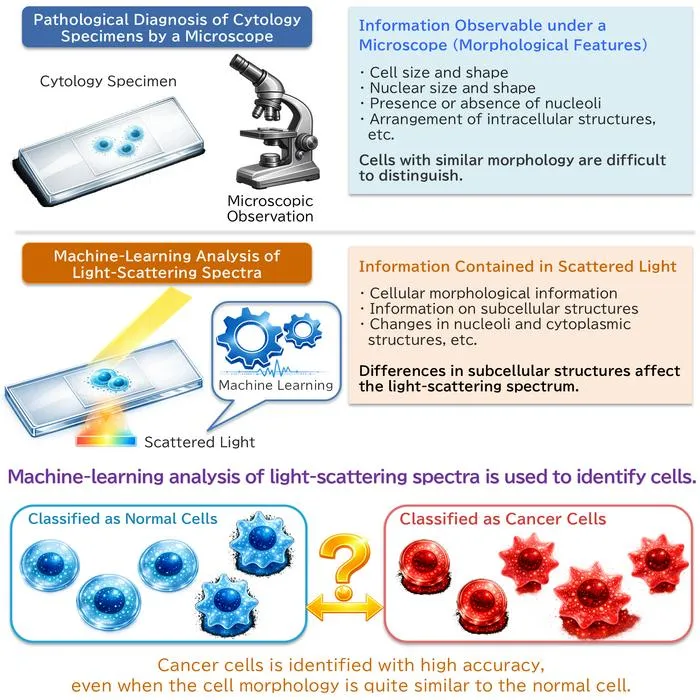
•EurekAlert
AI System Enhances Cancer Cell Detection via Light Scattering Spectra
Japanese researchers developed an AI system using light scattering spectra to improve cancer cell identification in cytology.
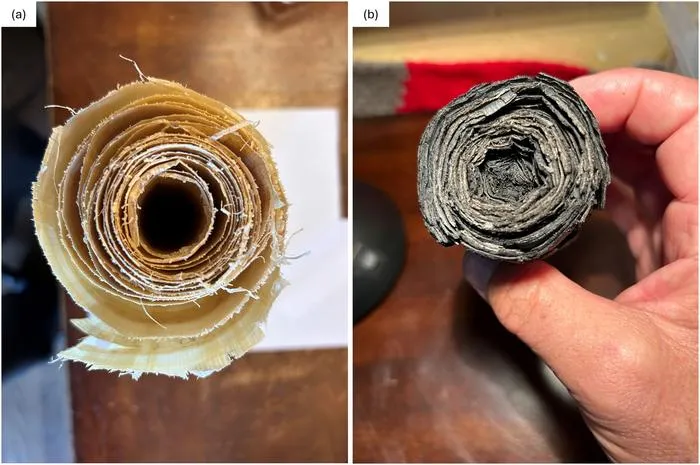
•EurekAlert
AI and X-ray Imaging Reveal Lost Texts in Ancient Roman Scrolls
AI and x-ray technology enable scientists to virtually read previously unreadable, carbonized Roman scrolls from Herculaneum.
•EurekAlert
AI’s Potential to Expand, Not Shrink, the Clinical Workforce
AI advancements may lead to more, not fewer, healthcare jobs, challenging common fears about workforce reductions in specialties like radiology.