
Routine use of AI in colonoscopies linked to decreased skill in adenoma detection by clinicians without AI assistance.
Key Details
- 1Observational study involved 1,443 non-AI assisted colonoscopies across four centers in Poland.
- 2After routine AI adoption, experienced endoscopists' adenoma detection rate fell from 28.4% to 22.4% (a 20% relative decrease) in procedures without AI.
- 3AI-assisted procedures maintained a 25.3% detection rate during the same period.
- 4Authors caution the findings may indicate a risk of skill erosion (deskilling) for health professionals with extensive AI use.
- 5Study calls for further research into long-term consequences of AI in clinical workflows and strategies to preserve clinicians’ skills.
Why It Matters
This is the first real-world study suggesting that continuous use of imaging AI tools could degrade clinicians’ core diagnostic abilities, raising important questions about safety, training, and oversight as AI adoption in endoscopy—and wider radiology—accelerates.

Source
EurekAlert
Related News
•EurekAlert
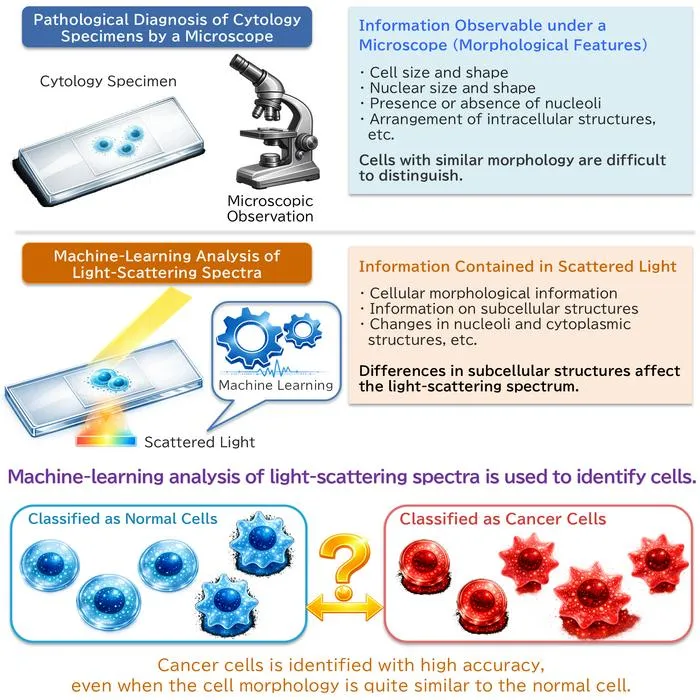
AI System Enhances Cancer Cell Detection via Light Scattering Spectra
Japanese researchers developed an AI system using light scattering spectra to improve cancer cell identification in cytology.
•EurekAlert
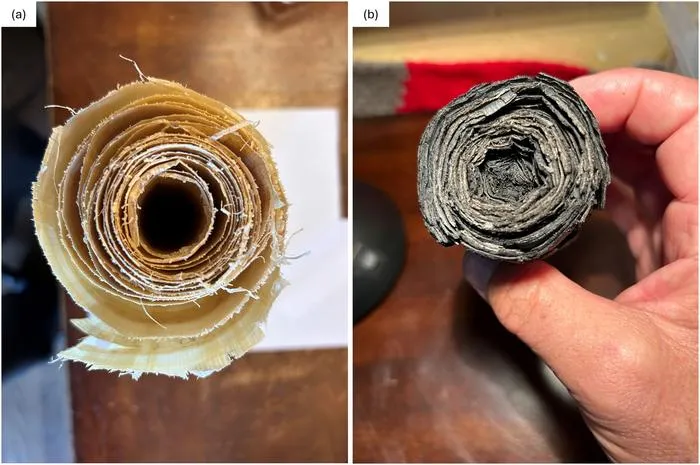
AI and X-ray Imaging Reveal Lost Texts in Ancient Roman Scrolls
AI and x-ray technology enable scientists to virtually read previously unreadable, carbonized Roman scrolls from Herculaneum.

•EurekAlert
AI’s Potential to Expand, Not Shrink, the Clinical Workforce
AI advancements may lead to more, not fewer, healthcare jobs, challenging common fears about workforce reductions in specialties like radiology.