
Michigan State University researchers use AI and nanomedicine to identify blood-based biomarkers for prostate cancer and atherosclerosis.
Key Details
- 1Researchers from MSU, Augusta University, Karolinska Institute, and Stanford developed a new diagnostic platform.
- 2The method combines nanomedicine, AI, and causal analysis to identify rare plasma protein biomarkers.
- 3Initial targets were metastatic prostate cancer and atherosclerosis (clogged arteries).
- 4Published in the Chemical Engineering Journal on April 1, 2025.
- 5Funding from the American Heart Association, DoD Prostate Cancer Research, NIH, and NSF.
Why It Matters
Integrating radiology expertise with AI-driven biomarker discovery could transform early detection and precision medicine, providing radiologists with novel tools for non-invasive disease diagnosis. These advances support the radiology-AI community's efforts to enhance diagnostic accuracy and patient stratification.

Source
EurekAlert
Related News
•EurekAlert
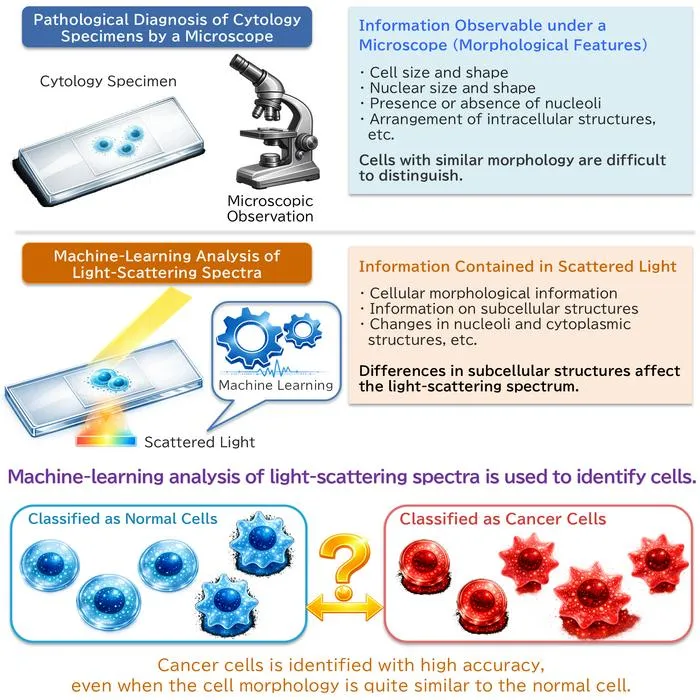
AI System Enhances Cancer Cell Detection via Light Scattering Spectra
Japanese researchers developed an AI system using light scattering spectra to improve cancer cell identification in cytology.
•EurekAlert
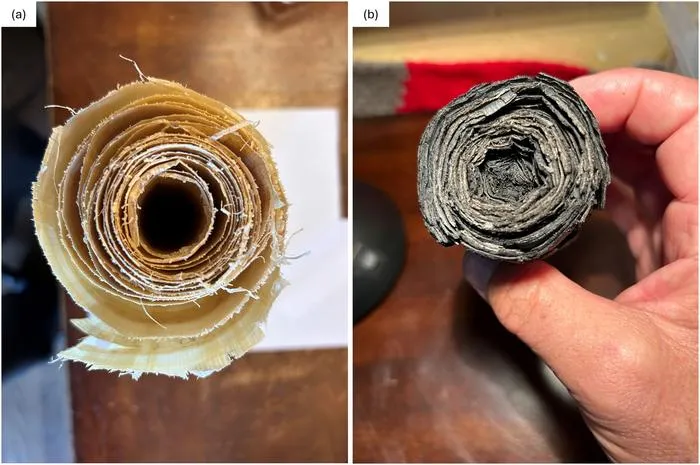
AI and X-ray Imaging Reveal Lost Texts in Ancient Roman Scrolls
AI and x-ray technology enable scientists to virtually read previously unreadable, carbonized Roman scrolls from Herculaneum.

•EurekAlert
AI’s Potential to Expand, Not Shrink, the Clinical Workforce
AI advancements may lead to more, not fewer, healthcare jobs, challenging common fears about workforce reductions in specialties like radiology.