
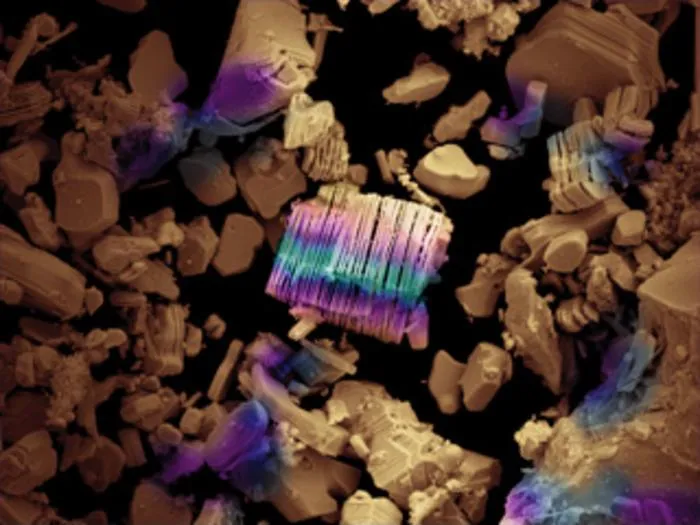
A multi-university team has uncovered how atomic order and disorder in 2D MXene nanomaterials can be predicted and tailored using AI, enabled by advanced imaging analysis.
Key Details
- 1Research led by Drexel and Purdue Universities used imaging analysis to study 40 MXene materials, 30 of which are newly synthesized.
- 2Atomic order versus disorder in layered carbides depends on the number and composition of metal elements present.
- 3Dynamic secondary ion mass spectrometry (SIMS) was used to examine atomic arrangements layer by layer.
- 4The study establishes principles for predicting and synthesizing both ordered and high-entropy (random) atomic structures in these 2D materials.
- 5AI and computational modeling can now be better trained to design bespoke materials for technological applications.
Why It Matters
This discovery not only clarifies fundamental rules governing 2D materials' structures—central to imaging science—but also paves the way for faster AI-driven prediction and design of new materials, which could have significant downstream impact on imaging technology, device engineering, and high-performance radiology tools.

Source
EurekAlert
Related News
•EurekAlert
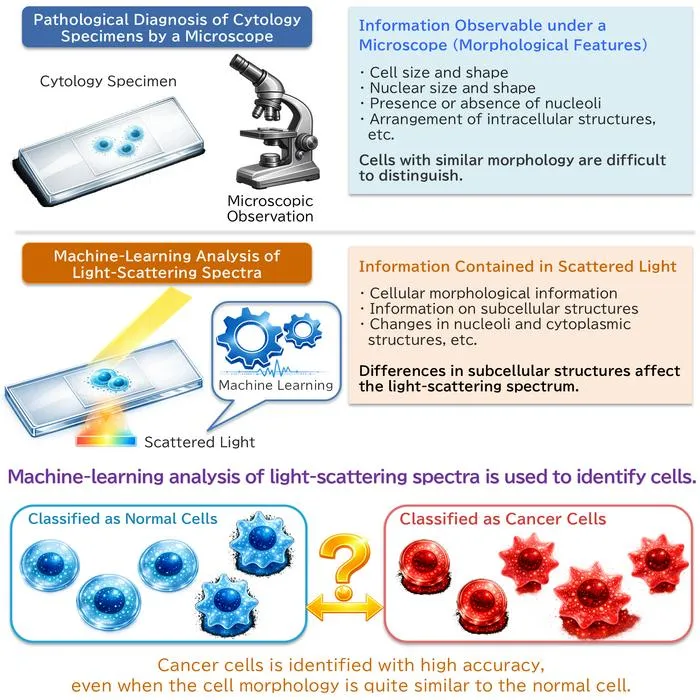
AI System Enhances Cancer Cell Detection via Light Scattering Spectra
Japanese researchers developed an AI system using light scattering spectra to improve cancer cell identification in cytology.
•EurekAlert
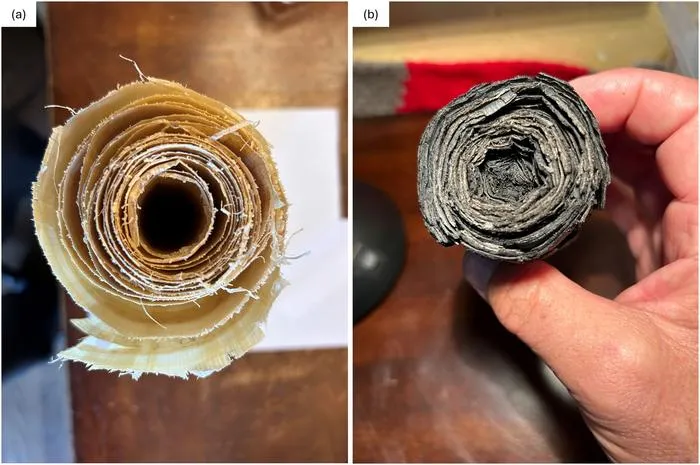
AI and X-ray Imaging Reveal Lost Texts in Ancient Roman Scrolls
AI and x-ray technology enable scientists to virtually read previously unreadable, carbonized Roman scrolls from Herculaneum.

•EurekAlert
AI’s Potential to Expand, Not Shrink, the Clinical Workforce
AI advancements may lead to more, not fewer, healthcare jobs, challenging common fears about workforce reductions in specialties like radiology.