
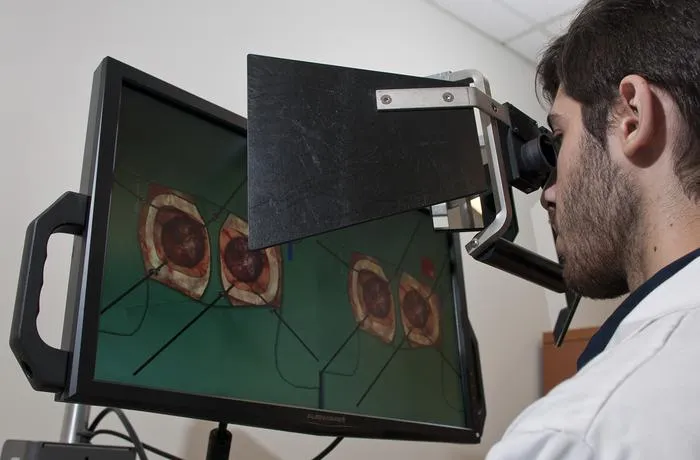
AI-augmented human instruction leads to superior neurosurgical simulator training versus AI or human feedback alone.
Key Details
- 1Study involved 87 medical students from four Quebec medical schools, divided into three training groups.
- 2Groups received (1) AI-only feedback, (2) expert instructor feedback, or (3) expert feedback informed by AI performance data.
- 3Students with AI-informed human feedback showed best surgical skill improvement and risk management.
- 4Findings published in JAMA Surgery (Aug 6, 2025).
- 5Integration of AI analytics with human expertise enhances surgical training and skill transfer.
Why It Matters
Effective training in high-stakes technical fields benefits from combining AI's objective analytics with the adaptive, contextual input of experienced instructors. For radiology and surgical imaging, this hybrid approach may yield better-trained clinicians and safer patient outcomes.

Source
EurekAlert
Related News

•EurekAlert
MRI Study Reveals Disease Epicenters Driving Atrophy in Multiple Sclerosis
Large-scale MRI analysis identifies specific brain regions acting as epicenters of atrophy in multiple sclerosis patients.
•EurekAlert
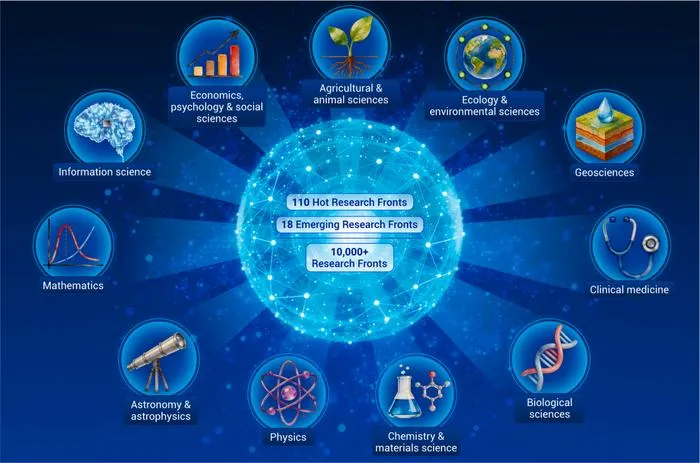
AI Now Drives Major Advances Across Scientific Fields, Report Finds
A comprehensive global analysis reveals AI as a cross-disciplinary engine, notably powering radiology and diagnostic innovations.
•EurekAlert
AI Combines CT and Pathology to Predict Esophageal Cancer Survival
A new AI framework (MENISA) combines CT scans, digital pathology, and tumor microenvironment data to predict survival risk for esophageal squamous cell carcinoma.