
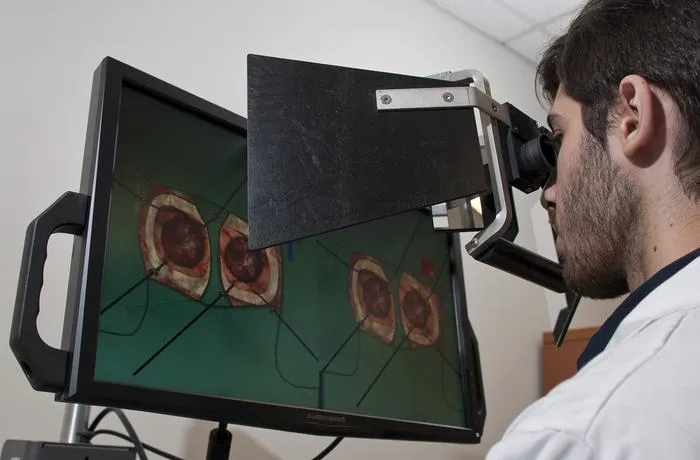
AI-augmented human instruction leads to superior neurosurgical simulator training versus AI or human feedback alone.
Key Details
- 1Study involved 87 medical students from four Quebec medical schools, divided into three training groups.
- 2Groups received (1) AI-only feedback, (2) expert instructor feedback, or (3) expert feedback informed by AI performance data.
- 3Students with AI-informed human feedback showed best surgical skill improvement and risk management.
- 4Findings published in JAMA Surgery (Aug 6, 2025).
- 5Integration of AI analytics with human expertise enhances surgical training and skill transfer.
Why It Matters
Effective training in high-stakes technical fields benefits from combining AI's objective analytics with the adaptive, contextual input of experienced instructors. For radiology and surgical imaging, this hybrid approach may yield better-trained clinicians and safer patient outcomes.

Source
EurekAlert
Related News
•EurekAlert
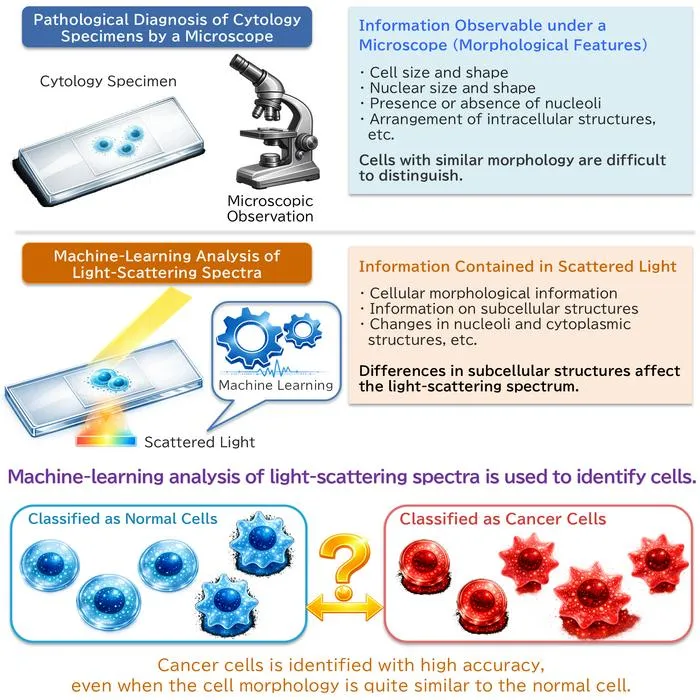
AI System Enhances Cancer Cell Detection via Light Scattering Spectra
Japanese researchers developed an AI system using light scattering spectra to improve cancer cell identification in cytology.

•EurekAlert
AI and X-ray Imaging Reveal Lost Texts in Ancient Roman Scrolls
AI and x-ray technology enable scientists to virtually read previously unreadable, carbonized Roman scrolls from Herculaneum.

•EurekAlert
AI’s Potential to Expand, Not Shrink, the Clinical Workforce
AI advancements may lead to more, not fewer, healthcare jobs, challenging common fears about workforce reductions in specialties like radiology.