
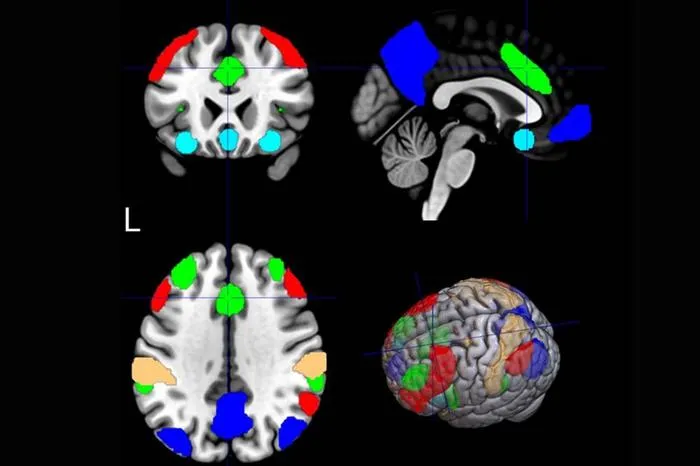
MUSC researchers used machine learning on fMRI scans to predict which smokers would benefit from repetitive transcranial magnetic stimulation (rTMS) for quitting smoking.
Key Details
- 1MUSC study combines machine learning and fMRI to personalize rTMS for smoking cessation.
- 242 participants took part in an earlier study, split into real vs sham TMS groups.
- 3The salience network's connectivity in the brain, analyzed by AI, correlated best with positive rTMS outcomes.
- 4Machine learning enabled predictions of individual responsiveness to rTMS based on brain network analysis.
- 5Study published in Brain Connectivity; NIH grant support cited.
- 6The research establishes groundwork for precision neuromodulation and larger future trials.
Why It Matters
This study demonstrates how imaging AI can enhance precision medicine by analyzing fMRI scans to tailor neuromodulation therapies. The approach could extend to other substance use disorders, highlighting a broader potential impact for radiology-based AI tools.

Source
EurekAlert
Related News
•EurekAlert
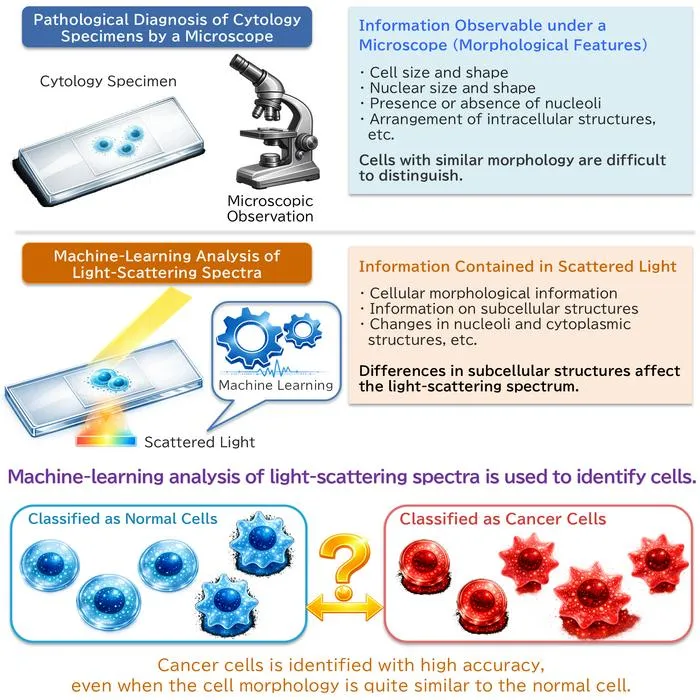
AI System Enhances Cancer Cell Detection via Light Scattering Spectra
Japanese researchers developed an AI system using light scattering spectra to improve cancer cell identification in cytology.
•EurekAlert
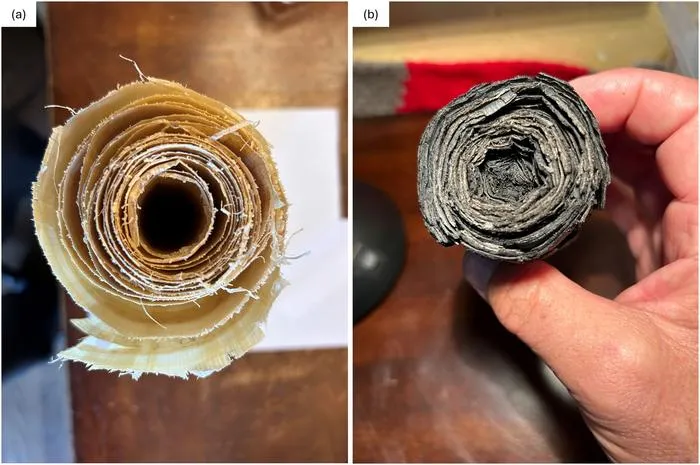
AI and X-ray Imaging Reveal Lost Texts in Ancient Roman Scrolls
AI and x-ray technology enable scientists to virtually read previously unreadable, carbonized Roman scrolls from Herculaneum.

•EurekAlert
AI’s Potential to Expand, Not Shrink, the Clinical Workforce
AI advancements may lead to more, not fewer, healthcare jobs, challenging common fears about workforce reductions in specialties like radiology.