
Back to all news
AI and Engineered Vesicles: New Frontiers in Traumatic Brain Injury Repair
Tags:Research
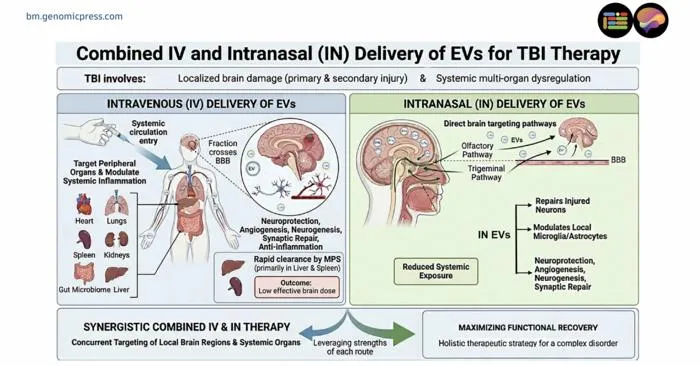
A new review repositions traumatic brain injury as a system-wide disorder and explores the use of AI-designed mesenchymal stromal cell-derived extracellular vesicles for brain repair.
Key Details
- 1Traumatic brain injury (TBI) is reframed as affecting the entire body, not just the brain.
- 2Extracellular vesicles from mesenchymal stromal cells quiet inflammation, blunt cell death, and induce new vessel and neuron growth.
- 3Animal studies show functional and cognitive improvement after vesicle therapy; human evidence limited to a few case reports.
- 4AI and machine learning assist in identifying therapeutic vesicle cargo, manufacturing controls, and patient stratification.
- 5Major gaps remain in clinical trials, standardization of vesicle characterization, and large, uniform datasets for reliable AI models.
Why It Matters
This review underscores the growing synergy between advanced AI and emerging cell-free therapeutics for complex neurological injuries. It highlights both the promise and current translational hurdles, including standardization and data issues critical for radiology-AI stakeholders.

Source
EurekAlert
Related News
•EurekAlert
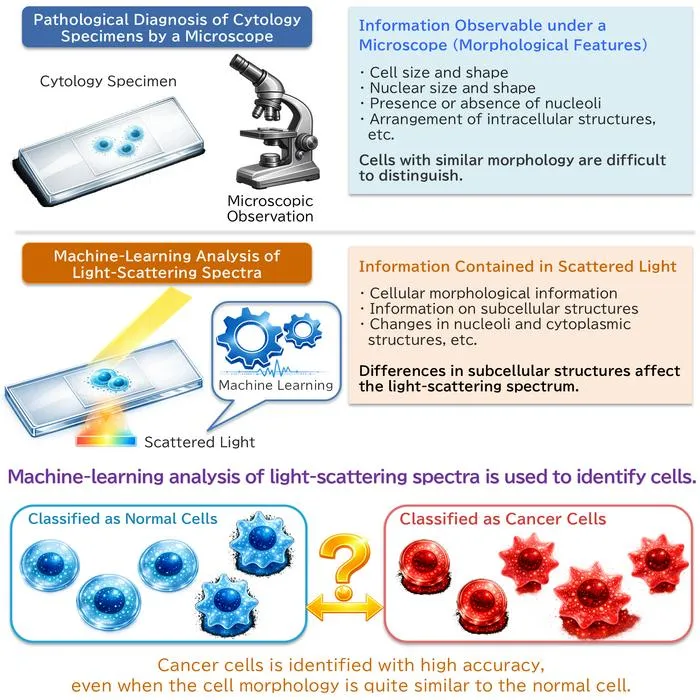
AI System Enhances Cancer Cell Detection via Light Scattering Spectra
Japanese researchers developed an AI system using light scattering spectra to improve cancer cell identification in cytology.
•EurekAlert
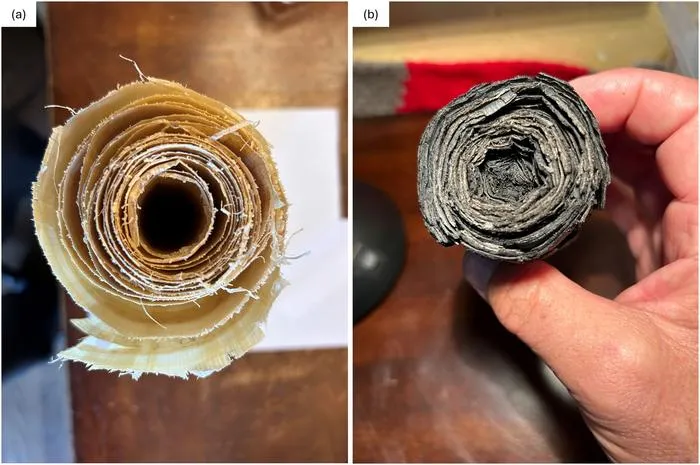
AI and X-ray Imaging Reveal Lost Texts in Ancient Roman Scrolls
AI and x-ray technology enable scientists to virtually read previously unreadable, carbonized Roman scrolls from Herculaneum.

•EurekAlert
AI’s Potential to Expand, Not Shrink, the Clinical Workforce
AI advancements may lead to more, not fewer, healthcare jobs, challenging common fears about workforce reductions in specialties like radiology.