
Collaborative initiatives and novel AI tools are helping to advance lung cancer screening, but participation barriers and disparities persist despite guideline expansions.
Key Details
- 1Lung cancer screening uptake with low-dose CT (LDCT) increased from 4.5% in 2023 to 16% in 2024, with state variation from 9.7% to 35.5%.
- 2AI deep-learning tools (e.g., from Radboud) have reduced false-positive nodule results by nearly 40%.
- 3Barriers to high screening rates include insurance preauthorization, patient knowledge, provider communication, and logistical factors.
- 4The ACR Lung Cancer Screening Registry (LCSR) is evolving into the Early Lung Cancer Detection Registry (ELCDR) to improve tracking and follow-up of both screening and incidental nodules.
- 5Guideline updates expanded eligibility, but disparities in demographic participation remain and nodule overdiagnosis is a concern.
- 6RSNA 2025 and other conferences will feature major sessions on personalized AI risk tools and screening strategies.
Why It Matters
This update summarizes substantial increases in lung cancer screening rates, highlights ongoing logistical challenges, and details the integration of AI to improve accuracy and efficiency in screening. These trends directly impact clinical workflows, patient outcomes, and the evolving role of radiologists in multidisciplinary care.

Source
AuntMinnie
Related News
•Radiology Business
Real-World Study: Radiology AI Best in Emergency and Inpatient Settings
A commercial AI tool for intracranial aneurysm detection outperformed in inpatient and emergency settings but yielded limited benefits for outpatients in a major health system study.
•Radiology Business
New Rubric Enhances Safety of AI-Generated Radiology Summaries
Researchers developed a five-factor rubric to assess the safety and quality of AI-generated, patient-friendly radiology report summaries.
•Radiology Business
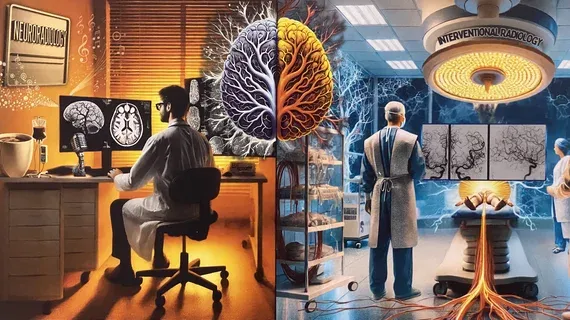
Healthcare Leader Warns AI Will Dominate Diagnostic Radiology
A leading oncologist urges future radiologists to specialize in interventional procedures due to AI advances in image interpretation.