
Researchers used AI to analyze over 66,000 whole-body MRI scans, creating a detailed body composition reference map linked to health risks.
Key Details
- 1Study analyzed MRI scans from 66,608 participants (mean age 57.7) in the UK Biobank and German National Cohort.
- 2AI created sex-, age-, and height-adjusted body composition metrics for fat and muscle distribution.
- 3Findings show high visceral fat increases diabetes risk by 2.26x, high intramuscular fat raises major cardiovascular risk by 1.54x, and low skeletal muscle ups all-cause mortality by 1.44x.
- 4Results indicate muscle quality and amount are independent health risk predictors, outperforming BMI.
- 5Researchers released an open-source web tool for calculating and comparing body composition z-scores.
- 6Routine scans (MRI/CT) can opportunistically provide these metrics without dedicated imaging.
Why It Matters
This research establishes AI-powered analysis of routine radiology exams as a powerful tool for quantifying body composition, enhancing risk stratification for cardiometabolic and oncologic diseases beyond conventional measures like BMI. The open-source reference curves and web-based calculator could drive broader clinical adoption of body composition metrics in radiology workflows.

Source
EurekAlert
Related News
•EurekAlert
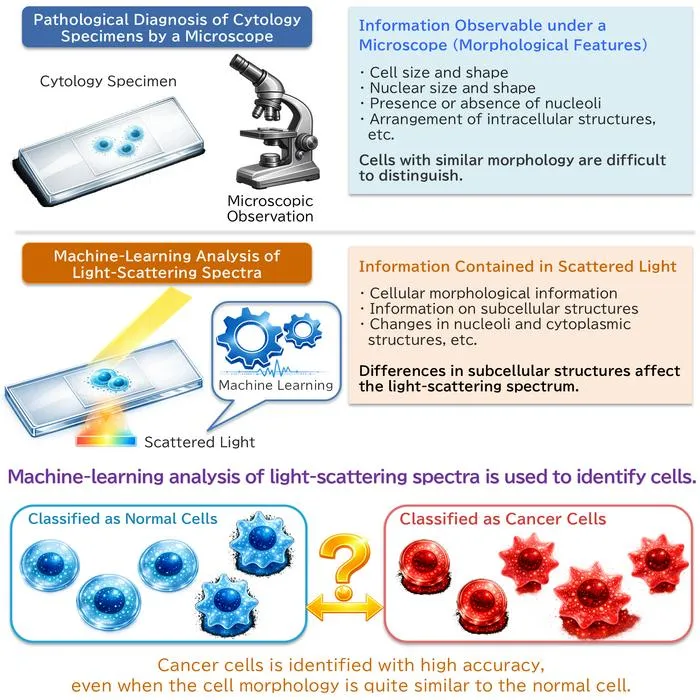
AI System Enhances Cancer Cell Detection via Light Scattering Spectra
Japanese researchers developed an AI system using light scattering spectra to improve cancer cell identification in cytology.
•EurekAlert
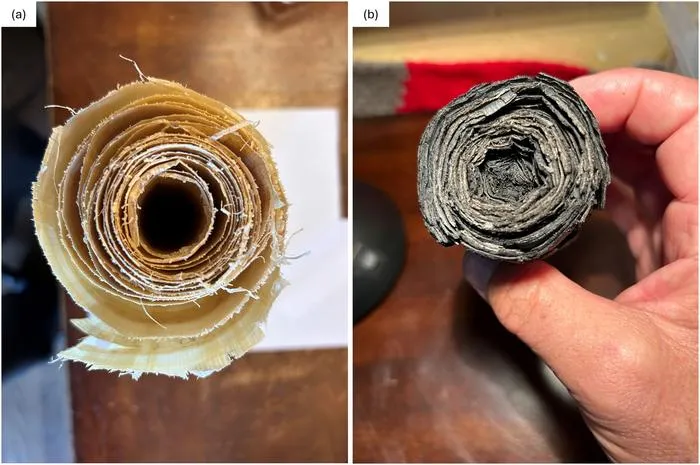
AI and X-ray Imaging Reveal Lost Texts in Ancient Roman Scrolls
AI and x-ray technology enable scientists to virtually read previously unreadable, carbonized Roman scrolls from Herculaneum.

•EurekAlert
AI’s Potential to Expand, Not Shrink, the Clinical Workforce
AI advancements may lead to more, not fewer, healthcare jobs, challenging common fears about workforce reductions in specialties like radiology.