
AI-powered opportunistic screening is transforming routine radiological images into proactive tools for risk detection of major diseases.
Key Details
- 1Deep-learning algorithms now enable accurate coronary artery calcium quantification on routine chest CTs, identifying at-risk patients for early intervention.
- 2AI-powered CAC scoring reclassified 23.4% of 2,847 patients with unknown cardiovascular risk, directly leading to preventive measures in 18.2%.
- 3Opportunistic bone density screening via CT and x-ray could double osteoporosis detection and potentially save $100 million annually in healthcare costs.
- 4Studies confirm AI-driven chest x-ray analysis is a cost-effective method for osteoporosis screening in US women aged 50+.
- 5AI tools for breast density assessment via chest CT demonstrated high accuracy (AUC ≈ 0.899) and are being considered for integration into clinical workflows.
- 6Broad opportunistic AI applications include screening for emphysema, diabetes risk, and early cancer detection, with several studies slated for RSNA 2025.
Why It Matters
Routinely acquired radiological data, if harnessed with AI, can enable early identification of multiple high-impact diseases without extra imaging or cost, leading to earlier interventions and improved population health. The maturing research and conference focus signal that opportunistic imaging is moving from concept to real-world clinical application.

Source
AuntMinnie
Related News
•Radiology Business
Real-World Study: Radiology AI Best in Emergency and Inpatient Settings
A commercial AI tool for intracranial aneurysm detection outperformed in inpatient and emergency settings but yielded limited benefits for outpatients in a major health system study.
•Radiology Business
New Rubric Enhances Safety of AI-Generated Radiology Summaries
Researchers developed a five-factor rubric to assess the safety and quality of AI-generated, patient-friendly radiology report summaries.
•Radiology Business
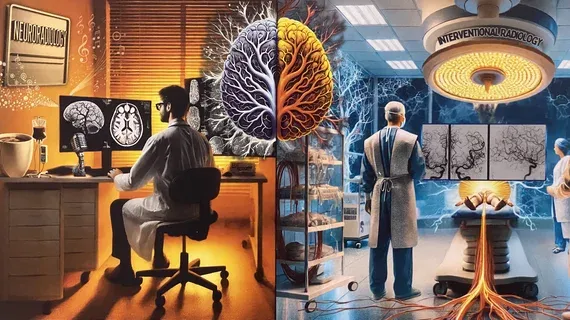
Healthcare Leader Warns AI Will Dominate Diagnostic Radiology
A leading oncologist urges future radiologists to specialize in interventional procedures due to AI advances in image interpretation.