
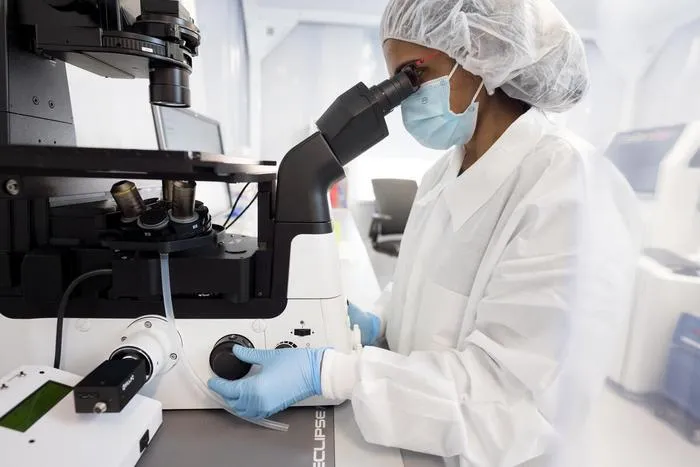
Memorial Sloan Kettering researchers report advancements in AI governance, biomarker analysis, and language models for improved cancer care.
Key Details
- 1MSK implemented governance covering 26 AI models, two ambient pilots, and 33 nomograms, demonstrating scalable AI oversight.
- 2AI tool EAGLE analyzed over 8,000 lung cancer slides, reducing molecular testing by over 40% while maintaining standards.
- 3A cancer-trained LLM ('Woollie') was built from 40,000+ radiology reports; achieved predictive scores of 97 (MSK) and 88 (UCSF) overall.
- 4Study on 118 nonagenarians showed lung cancer surgery can be safe and effective, with no patients dying within 90 days.
- 5Drug combination shown to induce mutation (MMRd) in colorectal tumors, potentially sensitizing resistant cancers to immunotherapy, but no clinical responses observed yet.
Why It Matters
Robust governance and real-world validation are crucial for integrating AI into oncology workflows. New computational tools, especially those leveraging radiology and pathology data, show promise for improving clinical decision-making and operational efficiency in precision cancer care.

Source
EurekAlert
Related News
•EurekAlert
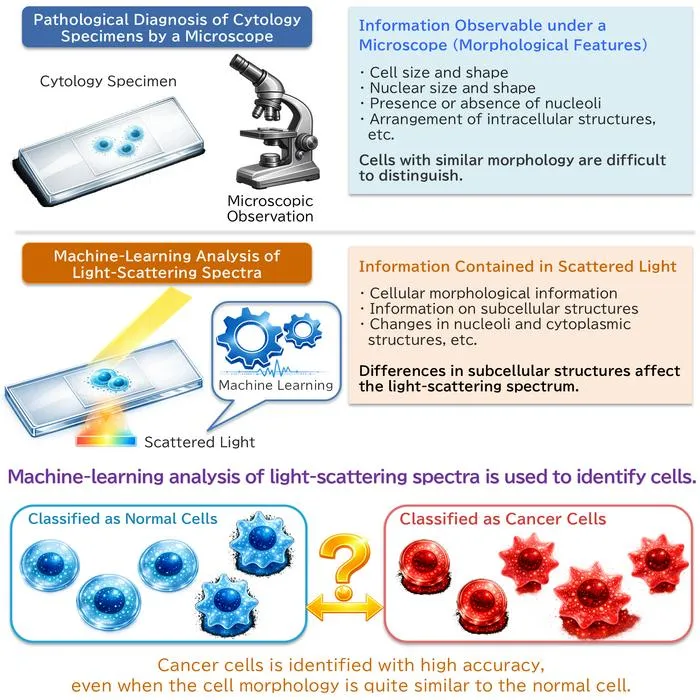
AI System Enhances Cancer Cell Detection via Light Scattering Spectra
Japanese researchers developed an AI system using light scattering spectra to improve cancer cell identification in cytology.
•EurekAlert
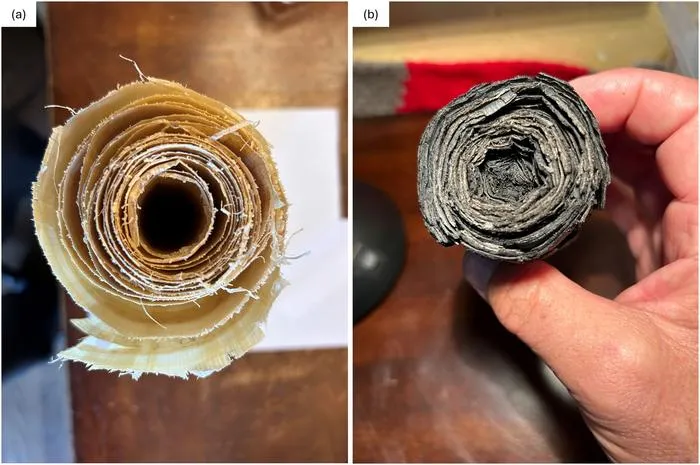
AI and X-ray Imaging Reveal Lost Texts in Ancient Roman Scrolls
AI and x-ray technology enable scientists to virtually read previously unreadable, carbonized Roman scrolls from Herculaneum.

•EurekAlert
AI’s Potential to Expand, Not Shrink, the Clinical Workforce
AI advancements may lead to more, not fewer, healthcare jobs, challenging common fears about workforce reductions in specialties like radiology.