
An AI pipeline automates lymph node segmentation and extranodal extension prediction from CT in HPV-positive oropharyngeal cancer, correlating with patient outcomes.
Key Details
- 1Single-center cohort study focused on HPV-associated oropharyngeal carcinoma.
- 2AI-driven system automated lymph node segmentation from pretreatment CT scans.
- 3Imaging-based extranodal extension (iENE) prediction was achieved by AI.
- 4Predicted iENE was independently linked with worse oncologic outcomes.
- 5External validation is required before widespread clinical adoption.
- 6Study presented at ASTRO 2025 and published in JAMA Otolaryngology–Head & Neck Surgery.
Why It Matters
This study demonstrates the potential for AI to improve cancer staging and prognostication using routine imaging, reducing dependence on specialized radiology expertise. If validated, such tools could enhance workflow and prognostic accuracy at more institutions.

Source
EurekAlert
Related News
•EurekAlert
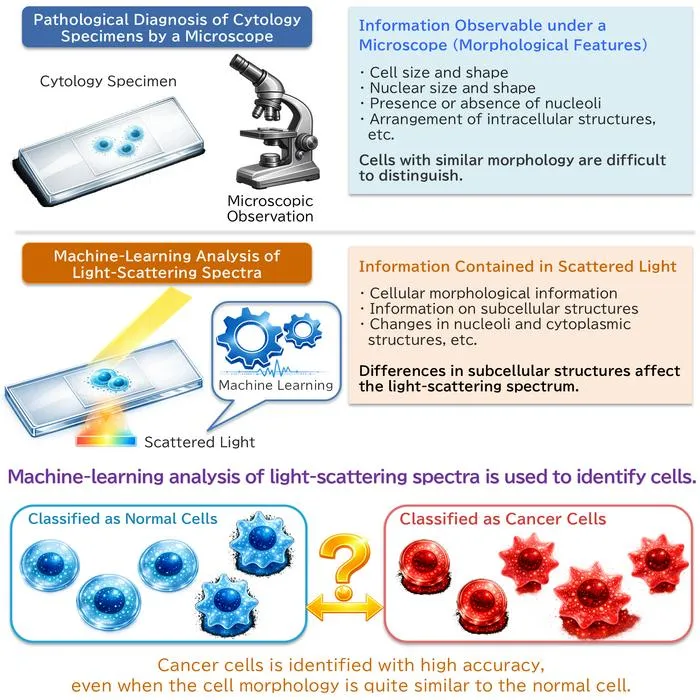
AI System Enhances Cancer Cell Detection via Light Scattering Spectra
Japanese researchers developed an AI system using light scattering spectra to improve cancer cell identification in cytology.
•EurekAlert
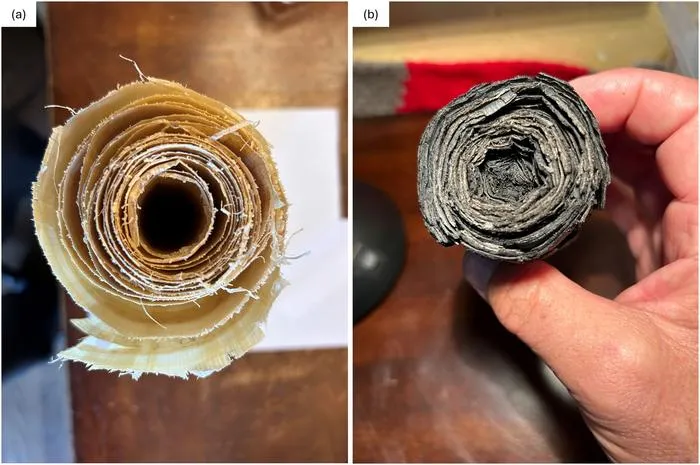
AI and X-ray Imaging Reveal Lost Texts in Ancient Roman Scrolls
AI and x-ray technology enable scientists to virtually read previously unreadable, carbonized Roman scrolls from Herculaneum.

•EurekAlert
AI’s Potential to Expand, Not Shrink, the Clinical Workforce
AI advancements may lead to more, not fewer, healthcare jobs, challenging common fears about workforce reductions in specialties like radiology.