
An AI tool accurately detected structural heart disease from smartwatch single-lead ECGs in a 600-person prospective trial.
Key Details
- 1AI model was trained using 266,000 12-lead ECGs from 110,000 patients and validated on large external cohorts.
- 2Prospective real-world testing was performed with 600 adults using smartwatch-recorded single-lead ECGs.
- 3Algorithm achieved 88% accuracy (AUC) in smartwatch data; sensitivity was 86% and negative predictive value 99%.
- 4Diseases detected included weakened pumping, valve damage, or thickened heart muscle—most commonly found with cardiac ultrasound (echo).
- 5Preliminary results were presented at AHA Scientific Sessions 2025 and have not yet been peer-reviewed.
Why It Matters
Wearable devices leveraging AI may democratize early detection of serious heart conditions, traditionally requiring advanced imaging. This signals a potential paradigm shift in accessible screening workflows, informing radiology and cardiology practice.

Source
EurekAlert
Related News
•EurekAlert
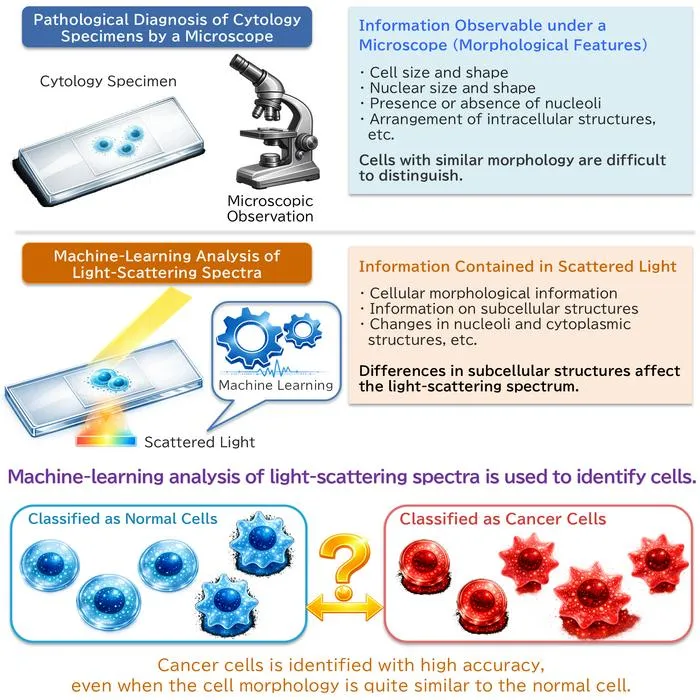
AI System Enhances Cancer Cell Detection via Light Scattering Spectra
Japanese researchers developed an AI system using light scattering spectra to improve cancer cell identification in cytology.
•EurekAlert
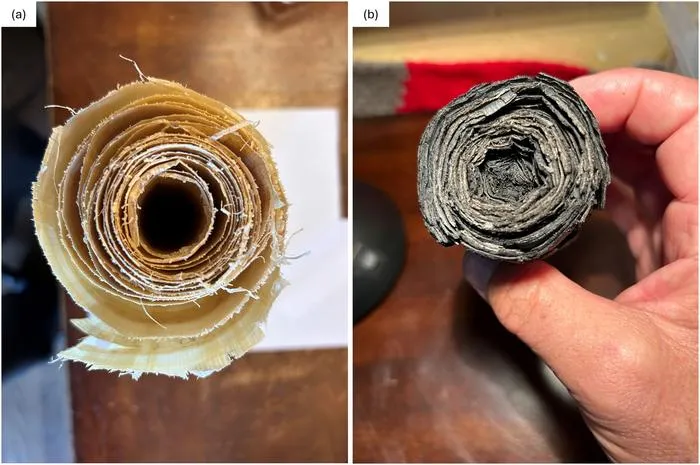
AI and X-ray Imaging Reveal Lost Texts in Ancient Roman Scrolls
AI and x-ray technology enable scientists to virtually read previously unreadable, carbonized Roman scrolls from Herculaneum.

•EurekAlert
AI’s Potential to Expand, Not Shrink, the Clinical Workforce
AI advancements may lead to more, not fewer, healthcare jobs, challenging common fears about workforce reductions in specialties like radiology.